Supporting Businesses in the Line of Fire: A Discussion of the “Front City” Bill
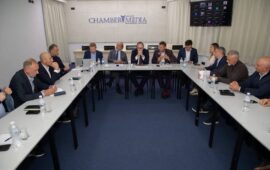
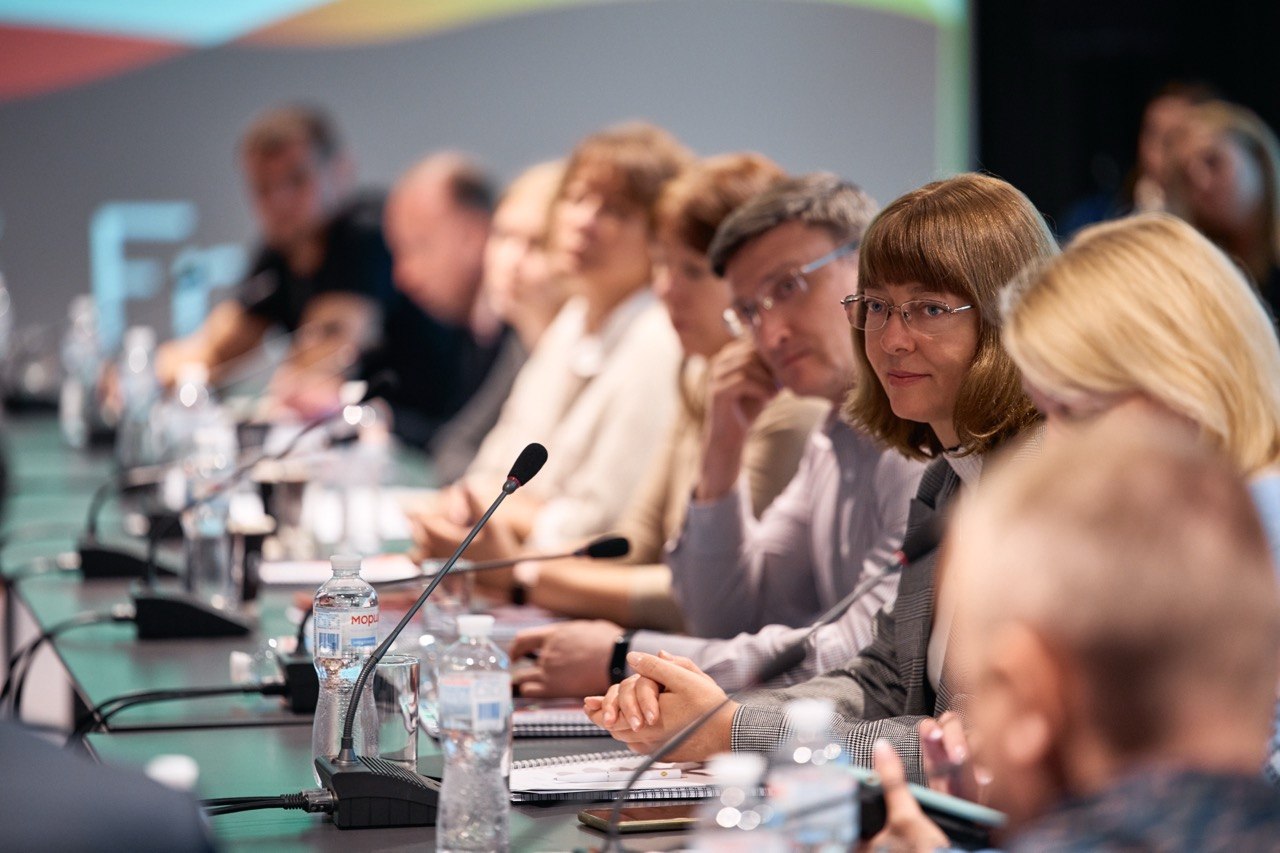
A meeting of representatives from the business community, civil society, and government was held in Kyiv to discuss the development of mechanisms to support entrepreneurs in frontline territories. The main topic of the event was a discussion of the concept behind the “Front City” framework bill, which aims to preserve economic activity and jobs during wartime.
The meeting was moderated by Tetiana Kotenko, chair of the NGO “Strategy for the Future,” an entrepreneur, and the Ukrainian Chamber of Crafts’ Commissioner for Regional Development and Territorial Partnerships, EU Funding, and SME Support. The expert organized the participants’ proposals and posed clarifying questions to the bill’s drafters. She emphasized the need to maintain employment as a mandatory condition for future participants in the program. Preferential financing for micro- and small businesses in frontline territories could be modeled after the existing funding mechanism for industrial parks and would require ongoing, timely updates. The Ministry of Economy, Environment, and Agriculture of Ukraine is responsible for administering all processes. The moderator emphasized that all recommendations raised will be taken into account when finalizing the “Front City” initiative. She also noted the importance of ongoing communication with European partners who are ready to support Ukraine’s recovery.
Boris Emeldesh, ambassador of the National Business Coalition of Small and Micro Businesses, president of the All-Ukrainian Professional Association of Entrepreneurs, and member of the Supervisory Board of the “Council of Cities to Protect Sole Proprietors,” presented a study and the key ideas behind the “Front City” concept. These include exempting frontline communities from local taxes and introducing a tax on withdrawn capital. The expert emphasized the critical need for 100% insurance coverage of war risks with state participation. After all, insured assets will serve as liquid collateral for banks. Mr. Emeldesh also called for a shift in the rhetoric of negotiations with the IMF, stressing the importance of focusing on economic development rather than solely on fiscal sustainability.
“If we help preserve businesses and communities in frontline areas, it will be much cheaper to do so now than to do it later,” he emphasized.
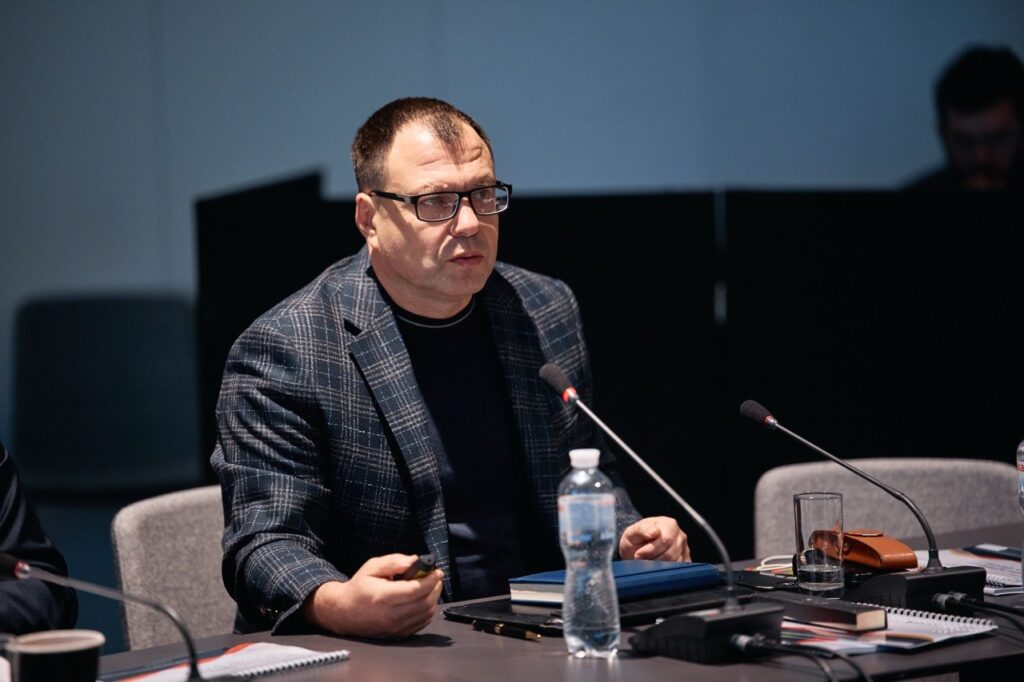
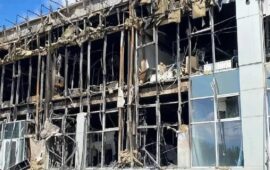
Bogdan Mosunov, head of the “4Business” business association and a member of the Coordinating Council of the National SME Platform, supported the introduction of tax breaks. He emphasized that it is better for the state budget to receive 50% from a functioning business than 100% from nothing. He showed a video of destroyed production facilities to illustrate the real consequences of enemy attacks. Mr. Mosunov noted that the cost of relocation—even within a single city—is prohibitive for microbusinesses and can reach 400,000 hryvnias. Due to drivers’ refusal to travel to dangerous regions and enormous logistical challenges, the project’s main goal is to ensure the physical survival of entrepreneurs.
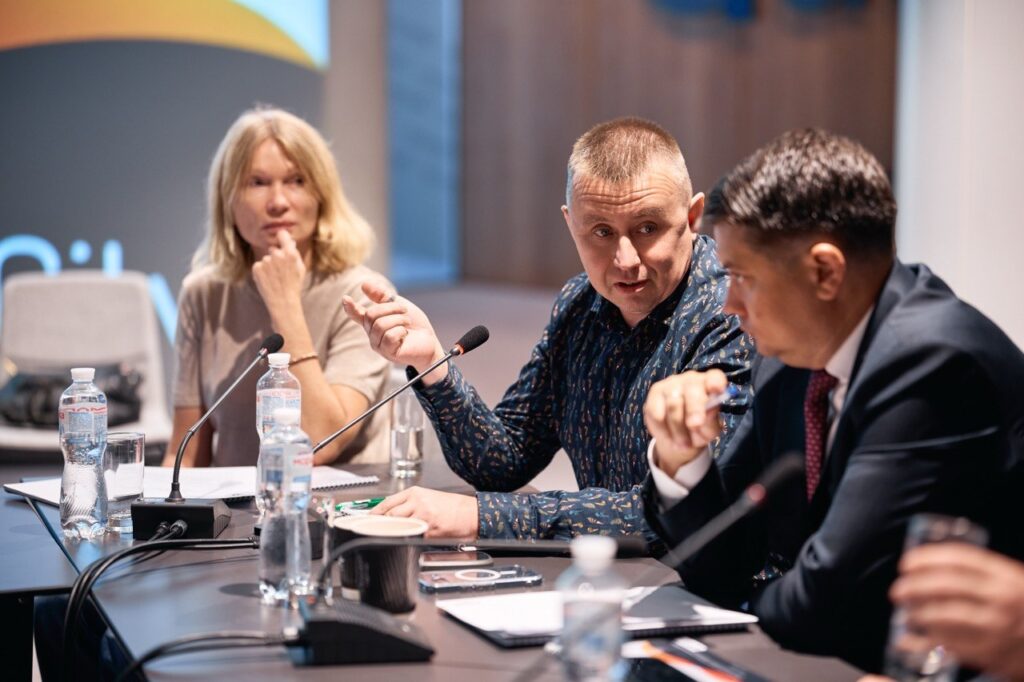
Dmytro Razumkov, a member of the Ukrainian Parliament and leader of the “Smart Politics” parliamentary group, noted that the enemy’s main goal is to ensure that no people remain on Ukrainian soil. He expressed skepticism regarding the policy of across-the-board tax increases. The politician called for the creation of clear, legally enshrined rules for providing support in order to minimize corruption among officials.
Among possible support mechanisms, he mentioned redirecting funds from the cashback program to assist affected businesses, as well as the option to offset a portion of taxes as compensation for verified losses resulting from Russian attacks. In his view, the state and the business community should share the financial burden of the war’s consequences.
Dmytro Razumkov also emphasized that behind the issues of taxes and state support lies a much more important question: whether people will continue to live and work in Ukraine. Preserving businesses and jobs directly affects whether Ukrainians will remain in their communities and whether those who were forced to leave will return.
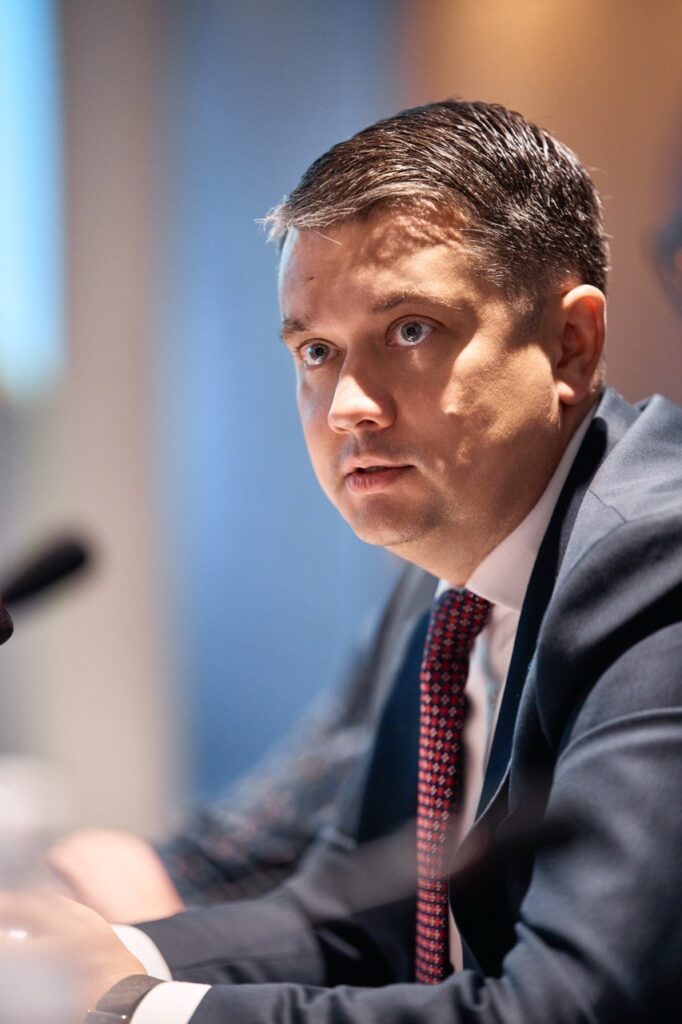
Yefrem Lashchuk, a legal policy specialist at the Economic Expert Platform, presented the concept of a draft law that proposes a special legal regime similar to “Diya City” for micro, small, and medium-sized businesses. He listed the forms of support: tax incentives, 0% interest loans, wage subsidies, and exemptions from certain types of reporting. To implement these initiatives, there are plans to establish an Emergency Fund to assist frontline territories. The speaker noted that the full implementation of the reform will require amendments to the Tax, Customs, and Budget Codes.
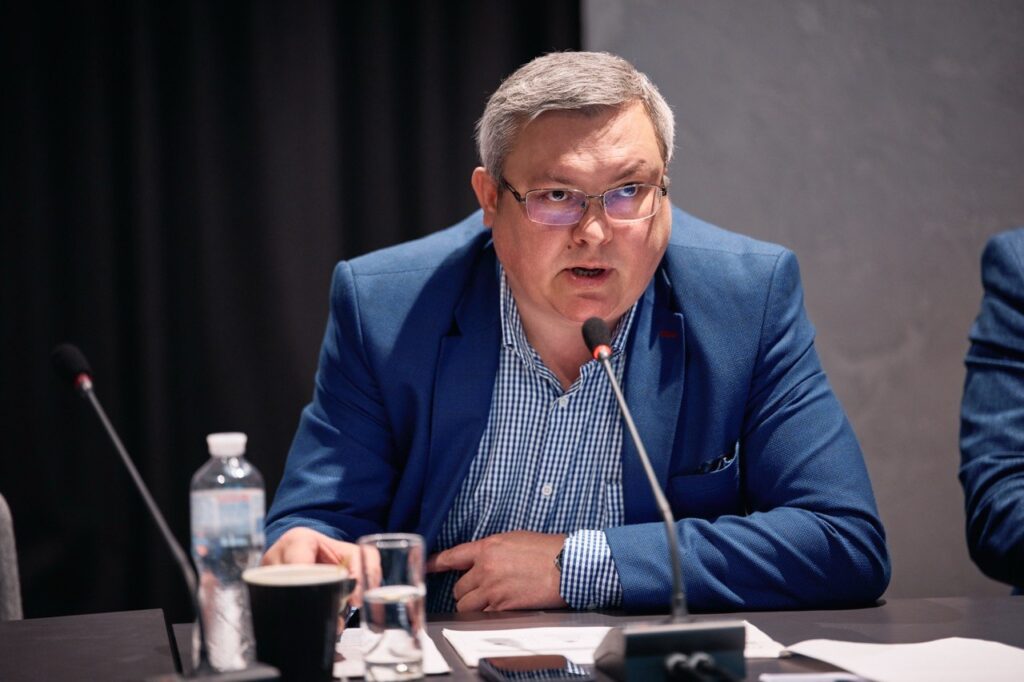
Ihor Zhitinsky, chairman of the All-Ukrainian Association of Passenger Carriers, expressed concern about the incompetence of some government officials, who could undermine any good initiative through subordinate legislation. As an example, he cited the creation of transportation hubs directly at train stations in Dnipro, which are regularly hit by rockets. According to him, such decisions create dangerous crowds instead of implementing European safety practices. Consequently, the head of the All-Ukrainian Association of Passenger Carriers fully supported the idea of enshrining all regulations directly in the law rather than in government resolutions.
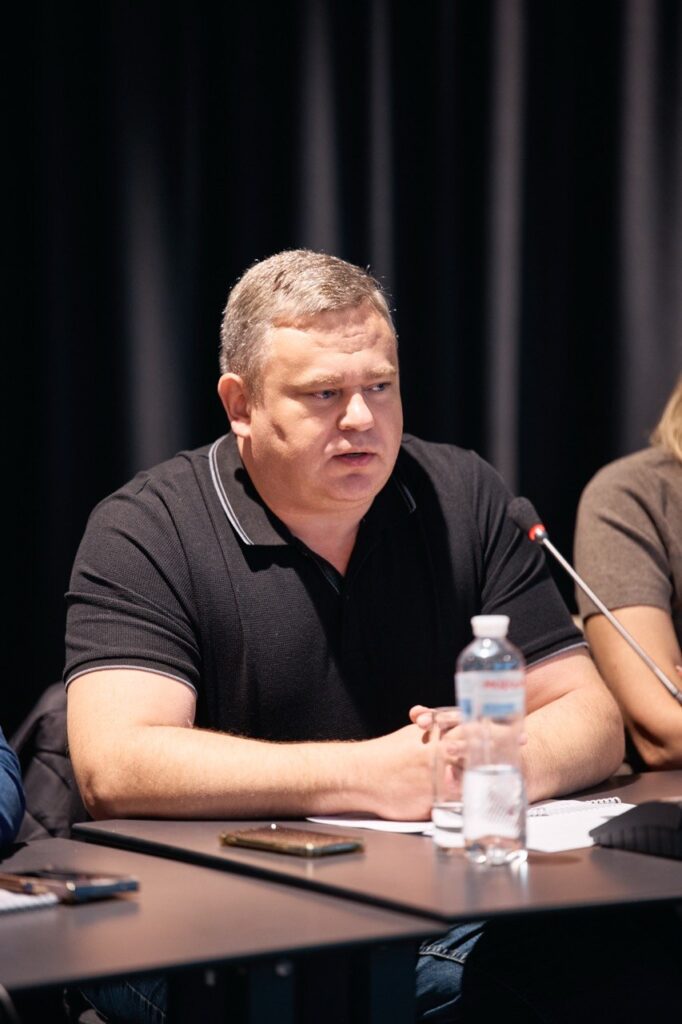
Denis Shynkarenko, chairman of the board of the nonprofit organization “Investor Protection,” the nonprofit organization “Stop Illegal,” and founder of the “Community” project, proposed unconventional ideas for bringing microbusinesses out of the shadows and encouraging Ukrainians to return from abroad. He proposed the concept of an automatic transaction tax (5–10%) that would be deducted from a bank card upon receipt of funds, without the need to file reports with the tax authorities. In addition, he proposed giving businesses the opportunity to earmark their taxes for specific local needs. In his view, this would allow entrepreneurs to see the real results of their tax contributions and would increase trust in the government.
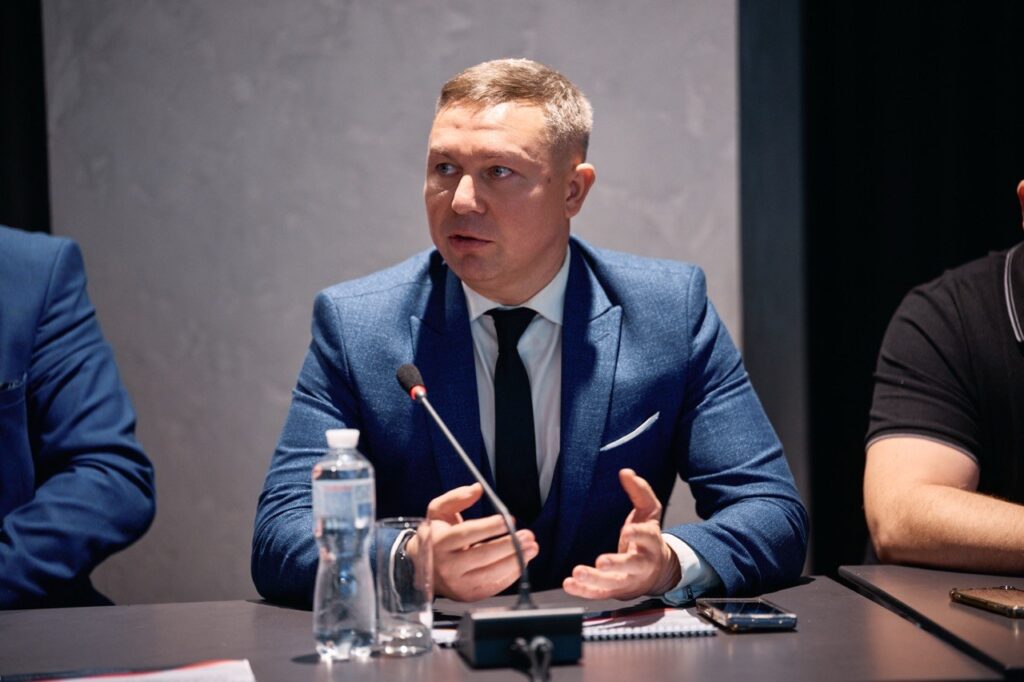
Oleg Sampir, a business representative from the Dnipropetrovsk region, raised the global issue of the shutdown and destruction of large metallurgical enterprises due to missile strikes in Kryvyi Rih, Zaporizhzhia, and Kamianske. He warned that the loss of such plants would leave tens of thousands of families without jobs and result in colossal losses to the state budget. The speaker also emphasized the threat of a major environmental disaster, which local governments would be unable to handle on their own. According to him, if large-scale industry disappears, small businesses in these areas will also cease to exist very quickly.
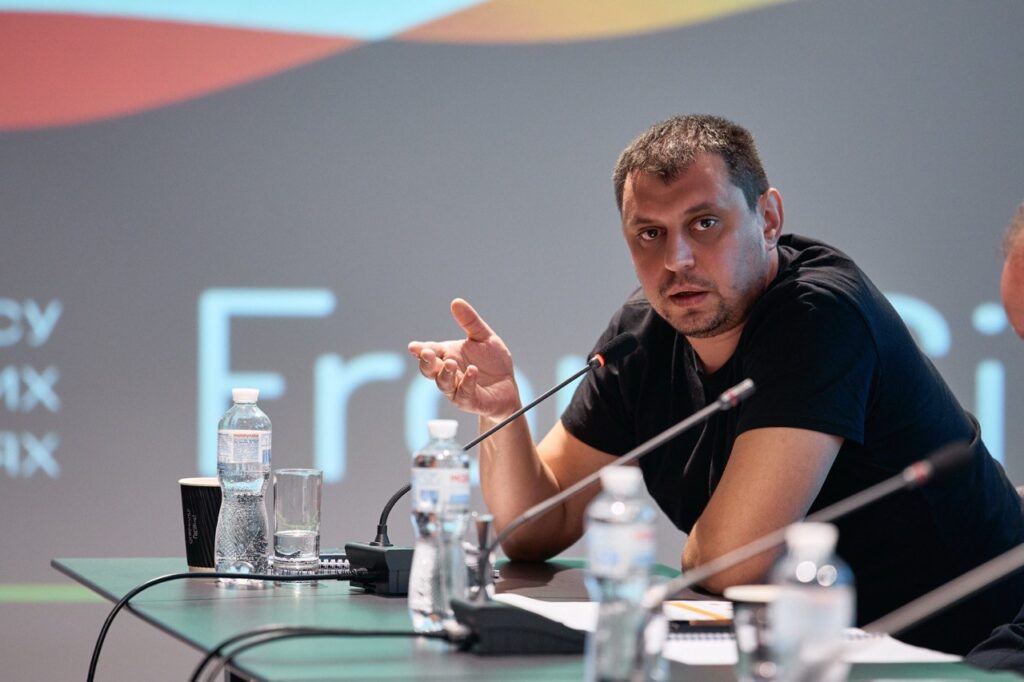
Lyudmila Oliinyk, a participant in the meeting, proposed shifting the focus when assessing cities’ capacity from purely financial metrics to psychological and social indicators. She emphasized the importance of measuring the level of self-determination and self-actualization among the individuals who continue to sustain the economies of high-risk regions. The speaker asked whether the authors of the bill were considering the introduction of a special “investment passport” for microbusinesses. In her opinion, this would help local governments better plan their support for entrepreneurs.
Oleksandr Dmytrenko, deputy head of the “4Business” business association, emphasized the strategic importance of creating a zone of economic prosperity along the border as a buffer against future Russian aggression. He recalled that in the early days of the full-scale invasion, it was local entrepreneurs who took up arms and stood up to defend Sumy, because they had everything to lose. They defended their homes, their businesses, and their families, while also distributing food supplies to local residents. The regional representative also expressed concern about a possible increase in the value-added tax (VAT), which would inevitably place a heavy financial burden on the end consumer.
Hanna Strykun, chair of the National SME Platform, raised the issue of the need to implement the European Small Business Act into Ukrainian law. She noted that efforts to introduce these important principles in Ukraine have been ongoing since 2010, but there have been no tangible results to date. The speaker called on government officials and lawmakers not to simply translate European documents, but to genuinely adapt them to current domestic needs.
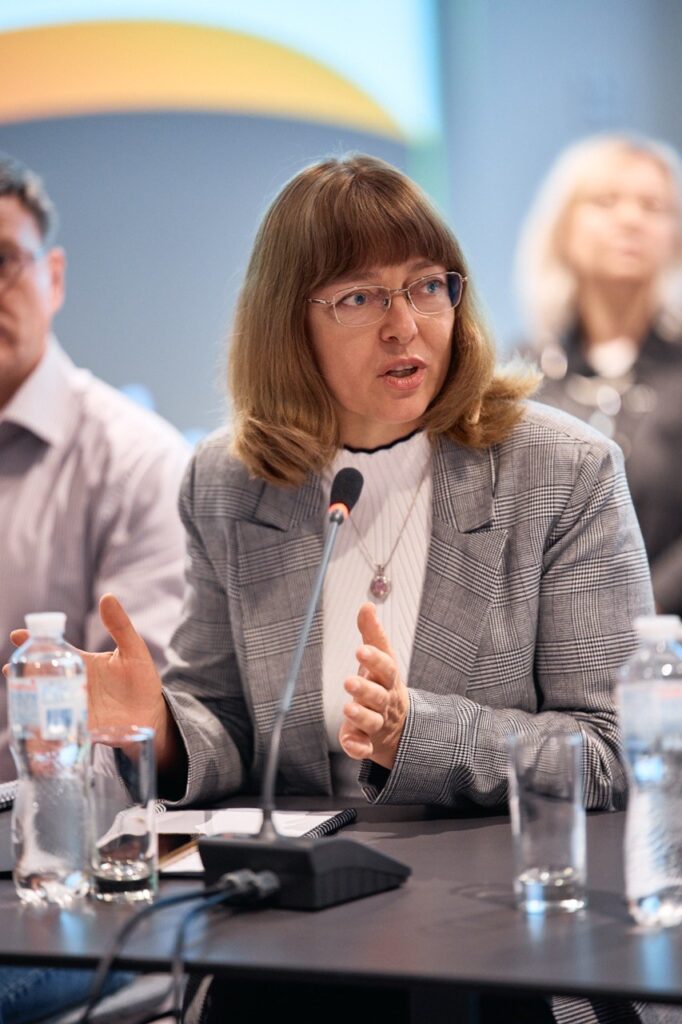
Svitlana Kachurovska, vice president of the nonprofit organization “Ukrainian Businesswomen in Sumy Oblast,” shared her painful personal experience of the destruction of her creative studio for children and adults in Sumy after it was struck by an enemy missile. The speaker emphasized the critical and dangerous situation regarding extracurricular development and the psychological well-being of children in frontline cities. She called for special attention to be paid to supporting socially important women-owned businesses and educational spaces for children.
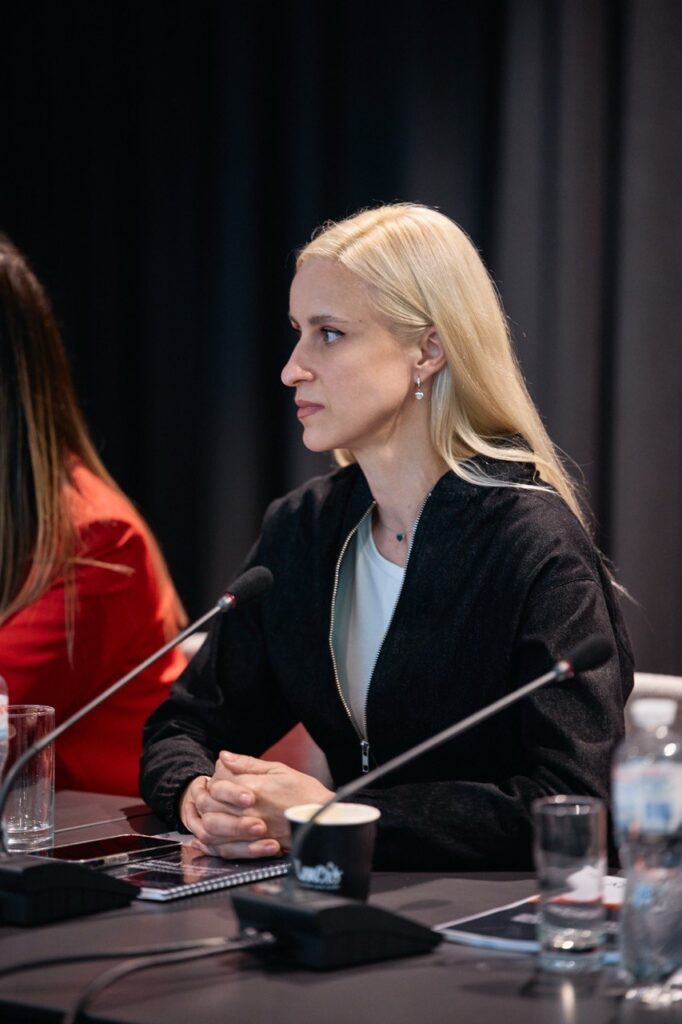
Following a lively discussion, the participants proposed using the concept of the “Front City” bill as a basis, but significantly revising it in light of the opinions expressed. In addition, participants supported the view that all key rules and safeguards for businesses should be spelled out in as much detail as possible in the law itself, in order to avoid arbitrary control and corruption during the drafting of subordinate legislation. The organizers called on those present to submit their proposals in writing to help shape the final version of the document.