War Risk Insurance: Business, Government, and Experts Seek the Optimal Model
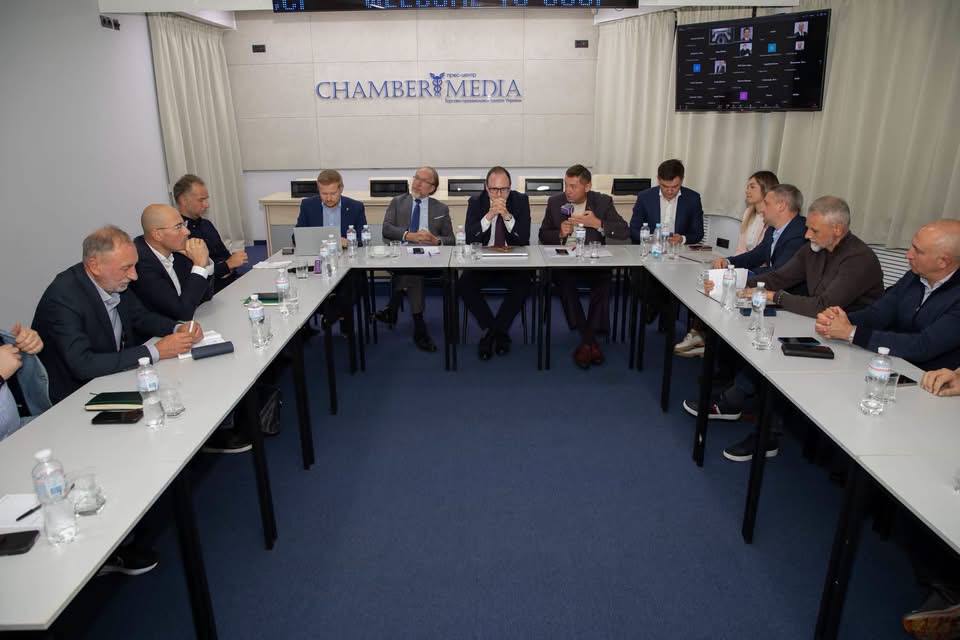
A large-scale roundtable discussion, supported by CIPE, was held in Kyiv at the Ukrainian Chamber of Commerce and Industry, focusing on mechanisms for compensating losses and insuring against war risks. The event brought together representatives of the government, leading business associations, the insurance market, and think tanks. The main topic of discussion was an initiative by the Ministry of Economy and Environment of Ukraine to create a special compensation fund to reimburse businesses for losses resulting from Russian aggression by raising the VAT rate by 1 percentage point. The proposal sparked interest among businesses, and during a lively discussion, suggestions were put forward by the business community and think tanks. The focus was on the positions of key stakeholders representing both the government’s perspective and the real interests of Ukrainian business.
Hennadiy Chizhikov, President of the Ukrainian Chamber of Commerce and Industry, opened the event and emphasized the extreme relevance of the topic. Indeed, more than 170 participants joined the meeting online alone. He called on those present to engage in constructive and open discussion.
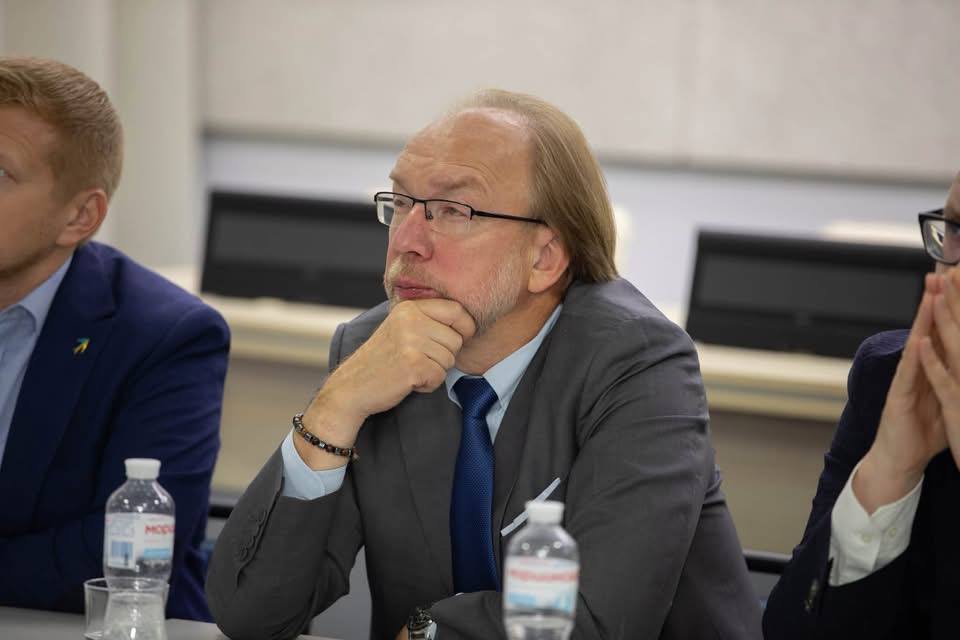 Hennadiy Chizhikov
Yegor Perelygin, Deputy Minister of Economy and Environment of Ukraine, presented the government’s concept for covering the “first layer of losses” (up to the equivalent of $10 million) through a special budget fund via the Export-Credit Agency’s infrastructure. According to him, the Ukrainian insurance market is currently not sufficiently capitalized to cover such large risks on its own, and Western reinsurance costs an unrealistic 8–12 percent; with the intensification of shelling, insurance companies’ risk appetite is minimal, and the private insurance market is not ready to assume the risk for many sectors and regions. Therefore, the government proposes to cover the first loss by creating a special fund. To finance this special fund, the ministry proposes raising the VAT rate by 1 percentage point, as this is the most macroeconomically neutral instrument and a clear step for Western donors.
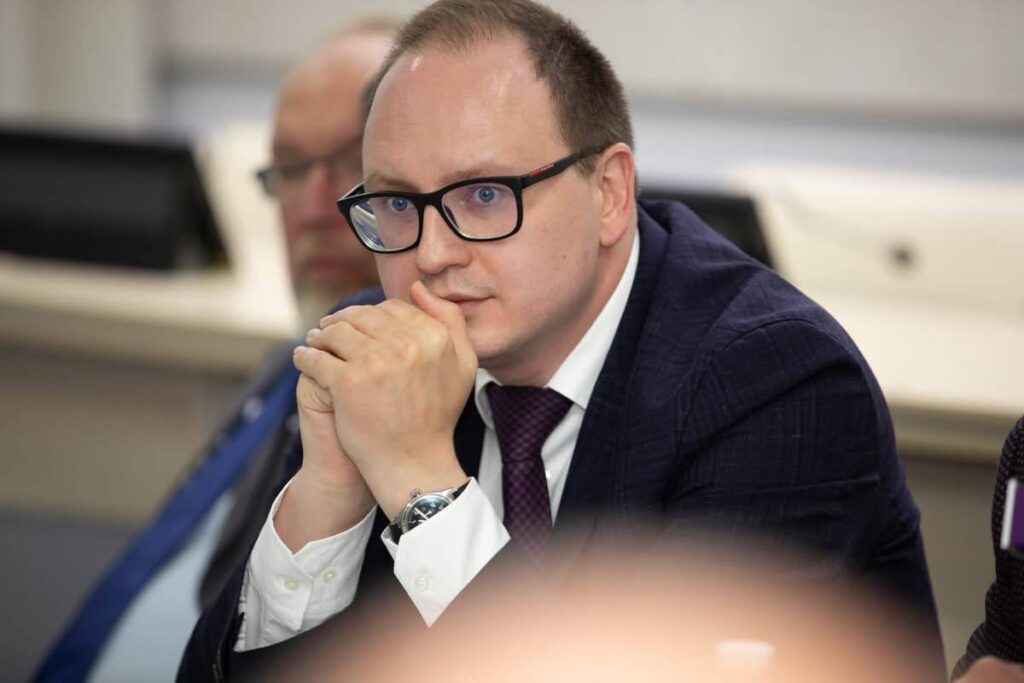
Hetman Oleg and Andriy Dlygach, representatives of the Alliance of Think Tanks, presented an alternative model under which the state assumes the final catastrophic layer of losses and also compensates for the majority of the insurance premium. This model requires significantly fewer resources from the state, involves less state intervention, and does not require an increase in the VAT rate. Economists propose that the 20–30 billion needed annually to launch this model be obtained by cutting inefficient budget expenditures, expanding taxes on “luxury goods,” reducing tax breaks, and so on.
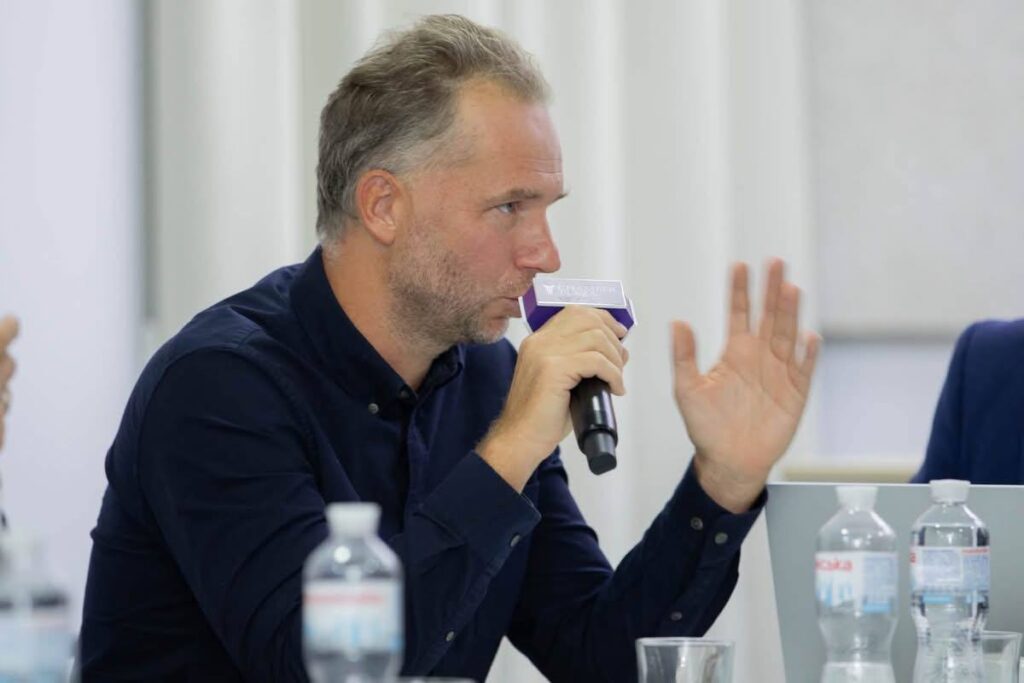
Andriy Yerashov, head of the Analytical Center of the Union of Ukrainian Entrepreneurs, released clear statistics from the business community: 84.6% of the Union’s member companies that participated in the vote categorically oppose the introduction of an additional VAT rate. He explained that entrepreneurs consider it socially irresponsible to shift the burden of risks onto the end consumer, who already lacks the funds to meet basic needs. As an alternative, the Union proposed allowing affected companies to reduce their future tax liabilities by the amount of their already documented losses.
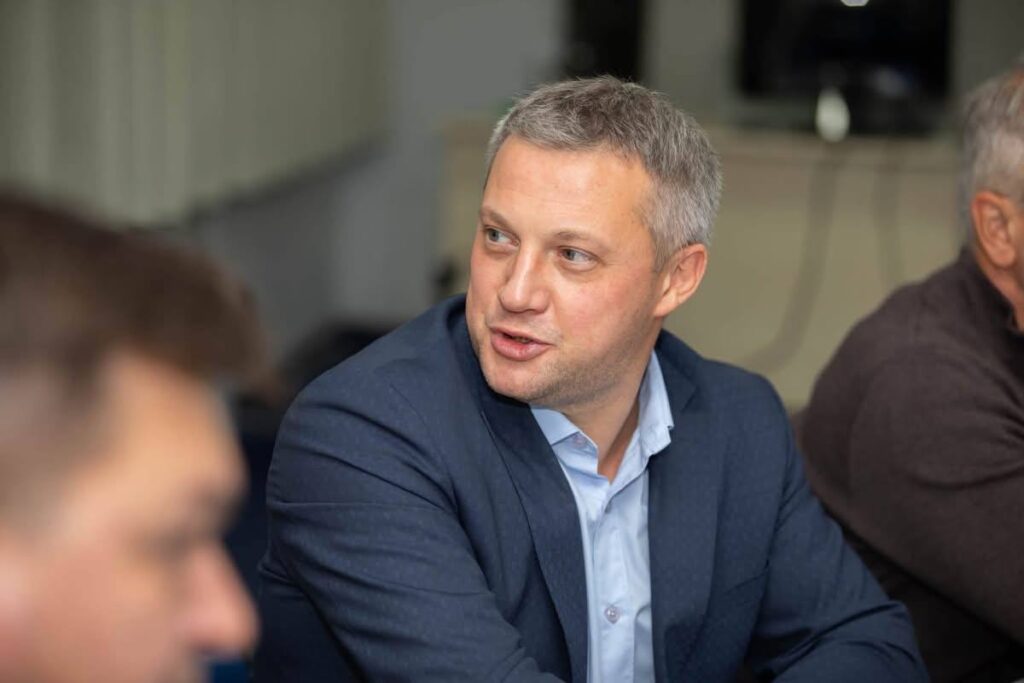
Grigol Katamadze, president of the Ukrainian Taxpayers Association, supported the position of his colleagues in the business community, citing immediate feedback from the regions provided by nearly 4,000 legal entities that are members of the association. He emphasized that the overwhelming majority of conscientious taxpayers oppose addressing the issue of war-related risks by raising the VAT rate. Mr. Katamadze critically noted that this tax has historically served as a “crutch” for the state during times of crisis, which is not an effective long-term solution. The APPU president called on the government to actively seek a compromise and rely on alternative models for budget revenue and insurance program design proposed by think tanks.
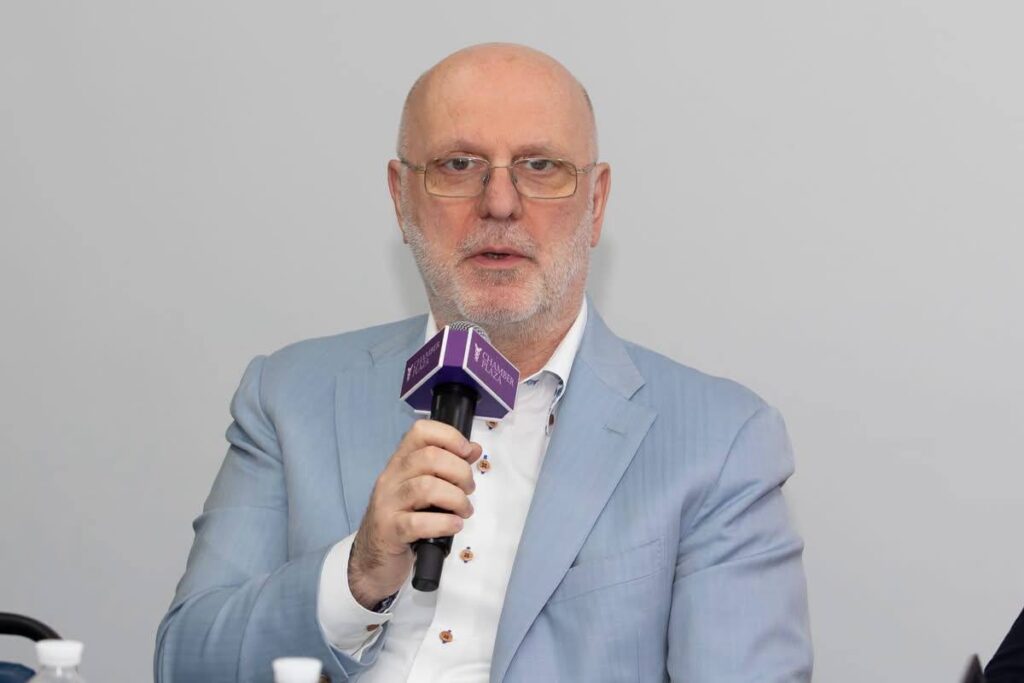
Vyacheslav Chernyakhovsky, CEO of the “Insurance Business” Association, criticized the Ministry of Economy’s approach regarding state coverage of the first loss. He noted that this method directly contradicts risk management principles and does not incentivize businesses to geographically diversify their assets. Mr. Chernyakhovsky warned that a uniform rate of 2% would lead to adverse selection—only companies with the highest risk of damage and destruction would participate in the state program. The association’s chairman proposed channeling state funds into a traditional system of partial reinsurance involving the ECA and partial subsidization of insurance premiums based on the degree of risk, the geographic location of enterprises, and other factors; he also suggested drawing on the experience of the United Kingdom during World War II to create an effective public-private partnership that leverages the insurance market’s infrastructure to ensure broader program coverage and the rapid, high-quality settlement of claims.
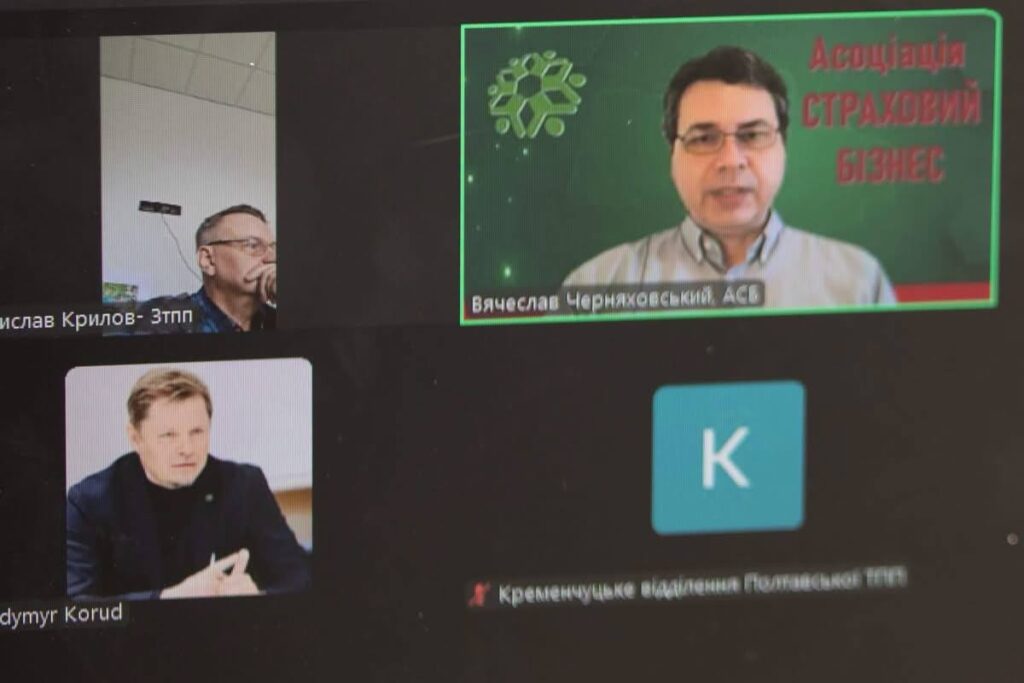
Natalia Artemchuk, manager of the Tax and Customs Committees of the European Business Association (EBA), noted that there are virtually no supporters of the government’s initiative among EBA members; instead, those who are categorically opposed to it are in the majority. She pointed out that in Ukraine, only “legitimate” businesses pay VAT. In contrast, about 40% of the economy operates in the shadow sector and will avoid this financial burden altogether. Instead of creating a special state fund, Ms. Artemchuk proposed providing targeted assistance: tax holidays, interest-free payment deferrals, or specific tax breaks.
Ruslan Gashev, Chairman of the Board of PJSC “Export-Credit Agency,” rejected the idea of transforming the ECA into a traditional property reinsurer, explaining that this contradicts the institution’s mandate and OECD rules. He cited a successful example from 2023, when the government’s coverage of first-loss risks for the grain corridor reduced British insurers’ rates from 4% to 0.75%. Mr. Gashev provided preliminary information on the scale of total losses, noting that among the hundreds of participants in their programs, serious losses are recorded in only 5% of cases.
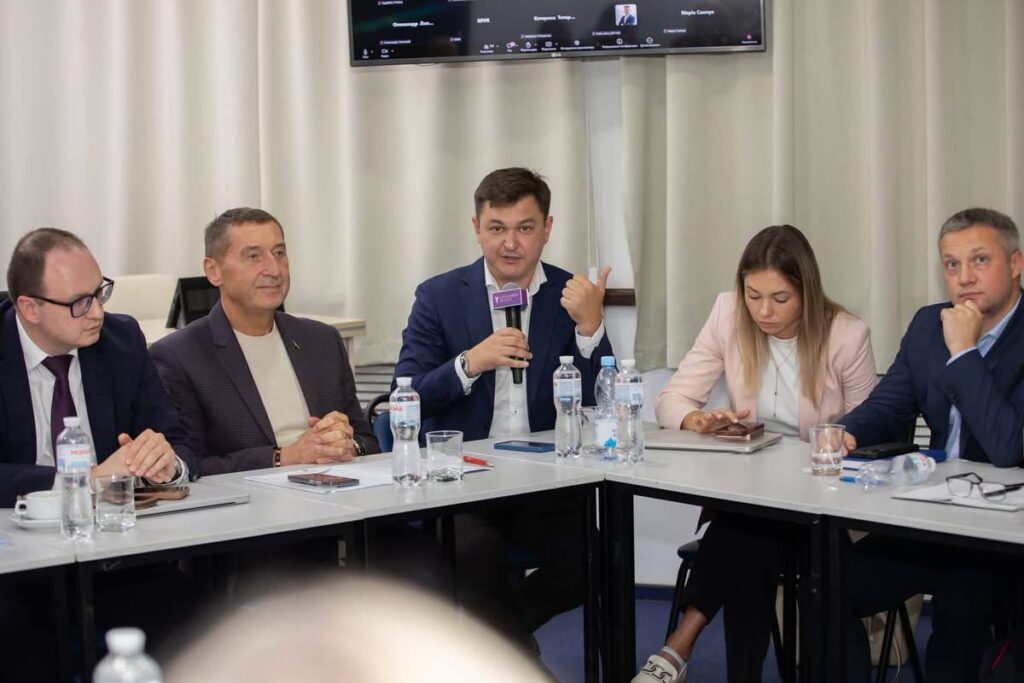
Andriy Telyupa, a representative of the Ministry of Economy, reminded those present that a year ago, a proposal to introduce a mandatory 1% insurance levy had already been put forward in Parliament, but the business community itself had rejected it. He emphasized that the Ministry of Economy is compelled to support the idea of raising the VAT, as it is the only quick and inflation-neutral tool for filling the budget. Alternative “targeted” taxes on parcels or luxury goods require complex legislative changes, for which Parliament is not yet ready. The models proposed at the meeting did not include alternatives for replenishing the budget for lost revenue—revenue for which the state must provide tax holidays, targeted incentives, etc.— nor was an alternative solution provided for increasing insurers’ risk appetite for war risks and ensuring insurance coverage in regions where it is currently unavailable. He concluded that if the business community rejects this proposal as well, the state will absolve itself of responsibility for the lack of a compensation mechanism.
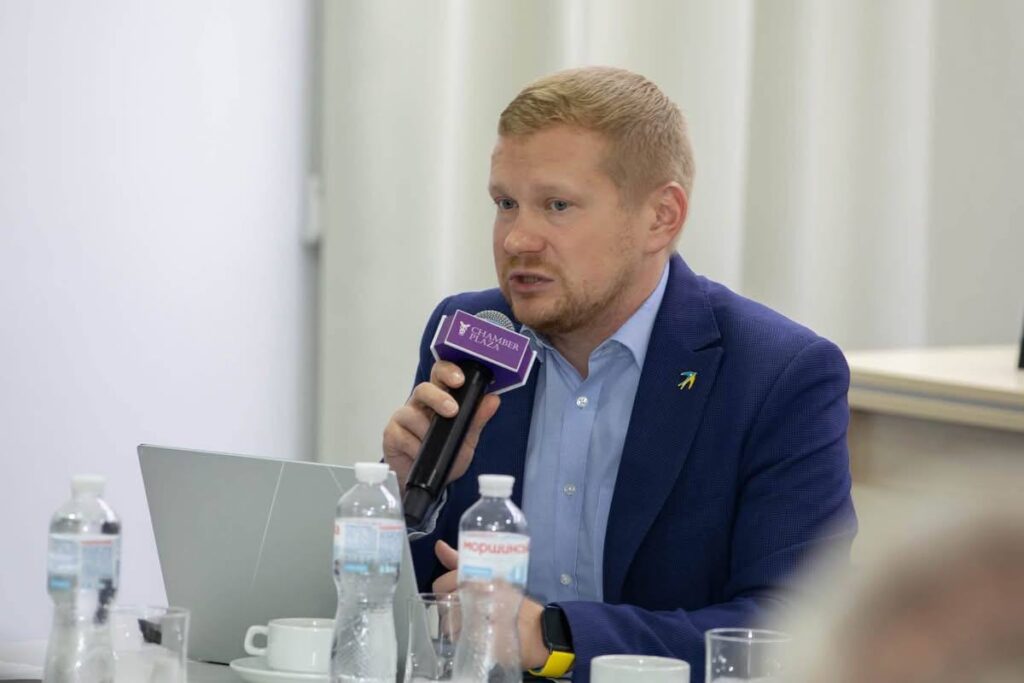
“Based on the outcome of the meeting, we must acknowledge that the situation is complex, and there are no simple, painless solutions here. We need to work out a compromise between the government and the business community; I propose that we form a joint working group and meet in two weeks to discuss the results of our work and a draft decision that is acceptable to the country,” said M. Nepran, first vice president of the Ukrainian Chamber of Commerce and Industry and a member of the Ukrainian Business Council, who moderated the discussion.
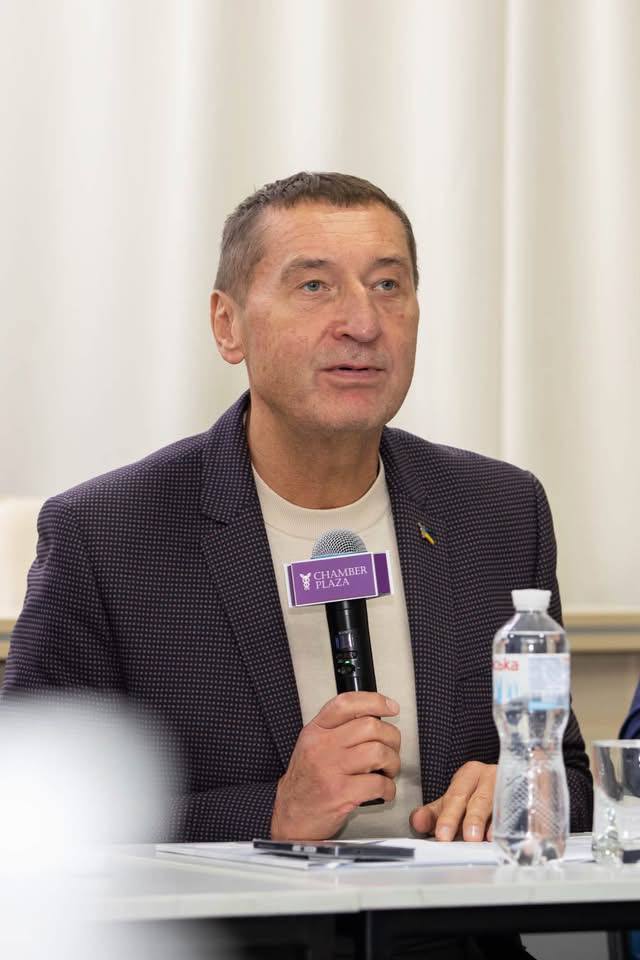
Following the discussion, the participants proposed that the government conduct a comprehensive survey of the business community regarding its needs and willingness to participate in such programs, publish the research and calculations mentioned by representatives of the Ministry of Economy, and organize another expert meeting to review various models and agree on a single optimal option.