How to de-shadow retail trade and minimize smuggling in Ukraine?
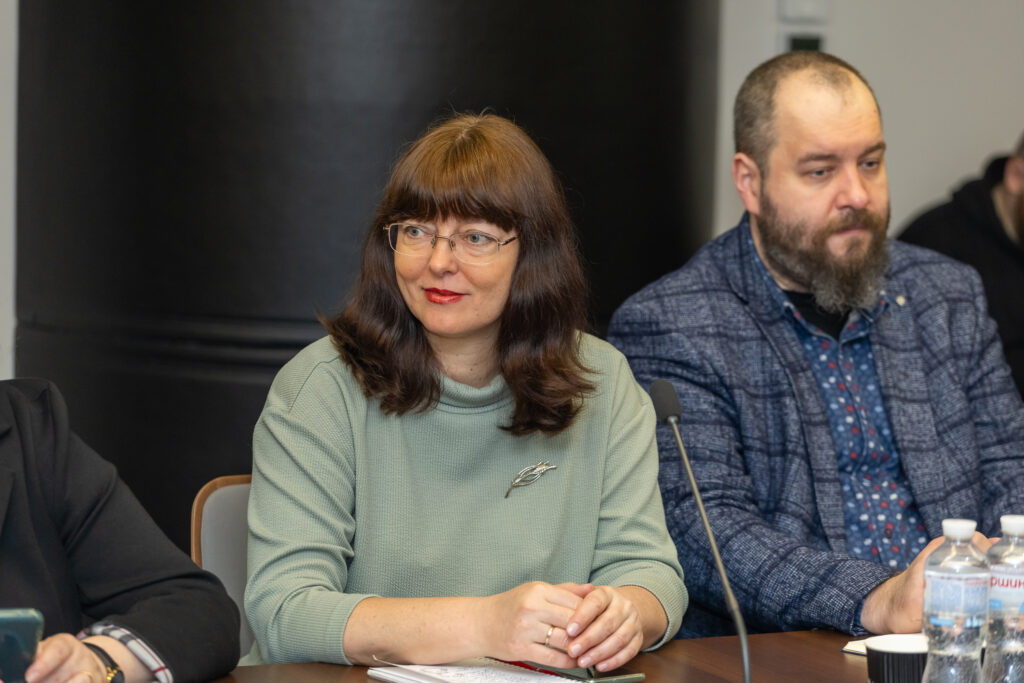
Changes in the illegal markets of excisable goods were discussed at the conference “How to De-shadow Retail Trade and Minimize Smuggling in Ukraine?” with the participation of Danylo Hetmantsev, Chairman of the Verkhovna Rada Committee on Finance, Taxation and Customs Policy, leading business associations and experts from economic think tanks. The conference was held on Friday, April 26, in Kyiv. The event was organized by the Economic Expert Platform and Healthy Initiatives in partnership with the Ukrainian Business Council.
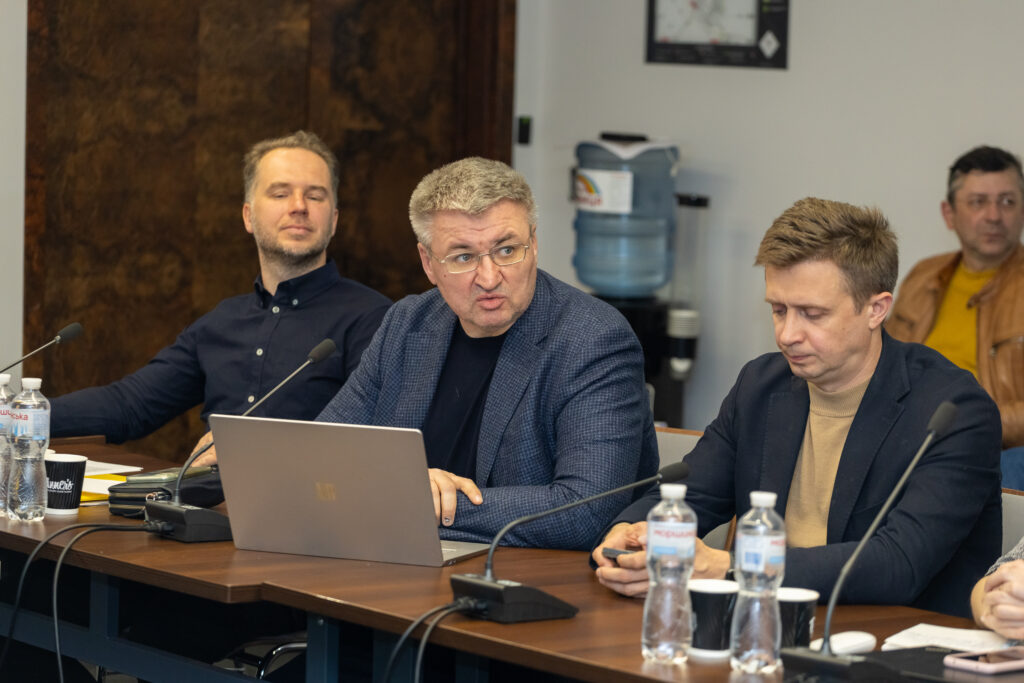
At the beginning of the conference, Myroslav Laba, an expert at the Economic Expert Platform, presented an infographic of “white sales” of excisable products over the past six months. The statistics show that in March 2024, there was an increase in revenue in the tobacco, alcohol, and fuel markets. Thanks to the active work of the Tax Committee, there were positive developments in March. At the same time, experts estimate that the state budget losses from the shadow trade in excisable goods still amount to UAH 38-40 billion per year. The situation at four tobacco production facilities and five large gas station chains remains abnormal.
For example, Marshall Fine Tobacco Ukraine LLC pays UAH 67 thousand in taxes on one ton of purchased raw materials, Ukrainian Tobacco Production LLC pays UAH 57 thousand in taxes on one ton, and Vynnykivska Tobacco Factory LLC pays UAH 2.85 million in taxes on one ton.
While honest producers pay an average of UAH 4-5 million in taxes per 1 ton of purchased raw materials.

Sergiy Kuyun, director of A95 Consulting Group, noted that there are no global problems with excise duty non-payment in the fuel market. “In Ukraine, fuel is mostly an imported product, so it goes through customs. Customs is very good at its job. So, when they tell you that there is fuel smuggling, just don’t believe it. It is not true. The problems are mostly related to trade, i.e. trade in legal fuel, but, so to speak, “crooked trade”.
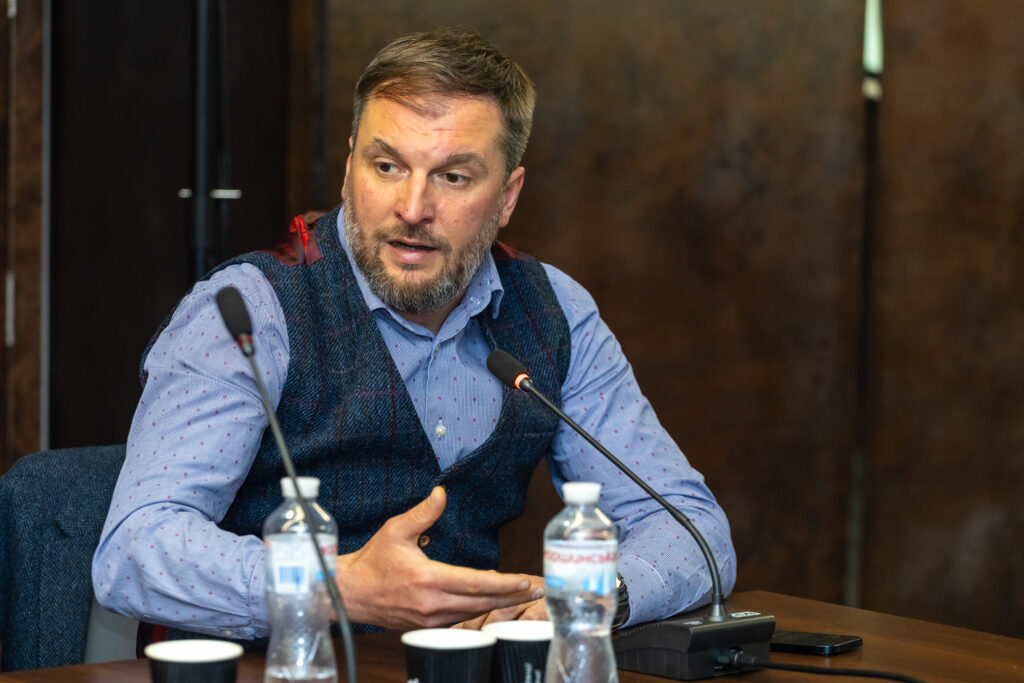
The top three taxpayers remained unchanged: Shell and AMIC are in 2nd and 3rd place, respectively, and OKKO is in first place: among the top 10 filling station chains, its sales account for 34% and tax payments for 50%.
The main problem of the fuel market in Ukraine is the payment of salaries “in an envelope” and minimization of income tax by some networks. The solution to this situation could be regular reporting to the tax authorities on tax payments by companies, as required by the Tax Code.

Myroslav Laba, an expert of the Economic Expert Platform, noted that the analysis of retail taxes per liter of fuel sold by the main networks shows large differences. In some networks, tax payments are more transparent – they pay more transparent salaries, pay VAT and other taxes, and pay taxes per liter in the range of 2-3 hryvnias per liter. Other networks do not have this trend, and taxes per liter are in the range of 0.5-1 hryvnia.
According to the calculations of the Economic Expert Platform, the lowest tax burden in 2023 was recorded in the fuel networks MOTTO, VostokGaz, Autotrans, MANGO, Prime, KLO and VST. State budget losses from minimizing taxes in the fuel market are in the range of UAH 11-12 billion per year.

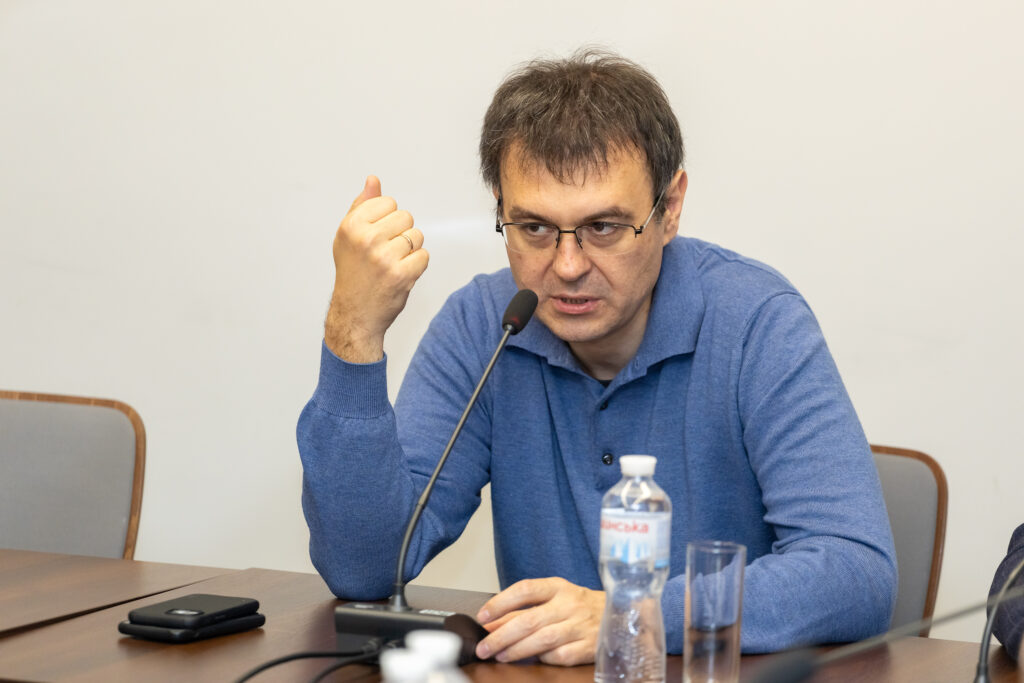
“I would not advise anyone who wants to test the system by playing a lottery with it, because there will be serious consequences. And those small networks that remain and insist on their right to the shadow are their choice, unfortunately, and the consequences will be catastrophic for them,” warned Danylo Hetmantsev, chairman of the Verkhovna Rada Committee on Finance, Taxation and Customs Policy.
Yaroslav Starovoitenko, President of the Ukrainian Oil and Gas Association, emphasized that the problems in the Ukrainian fuel market can be divided into 3 blocks: illegal production, illegal retail sales, and “schemes” with checks at gas stations. “Some of the illegal gas stations have been dismantled either independently or as a result of the tax authorities’ license revocation, or the National Police has worked out, but new ones are constantly appearing. The entry threshold to this market is low, and this attracts illegal gas stations. That is why we believe it is necessary to continue this work. We consider the draft law that introduces control over the turnover of oil and gas condensate to be a significant lever to combat illegal production,” he said. “In general, 2024-2025 will be challenging for the Ukrainian fuel market: a law on creating minimum stocks has been adopted, a law on mandatory addition of bioethanol to gasoline is expected to be adopted, and the Ministry of Finance has announced a draft law on increasing excise taxes, which provides for an even greater disparity in excise taxes on gas and gasoline. These legislative changes may attract illegal players to the fuel market of Ukraine,” said Yaroslav Starovoitenko.
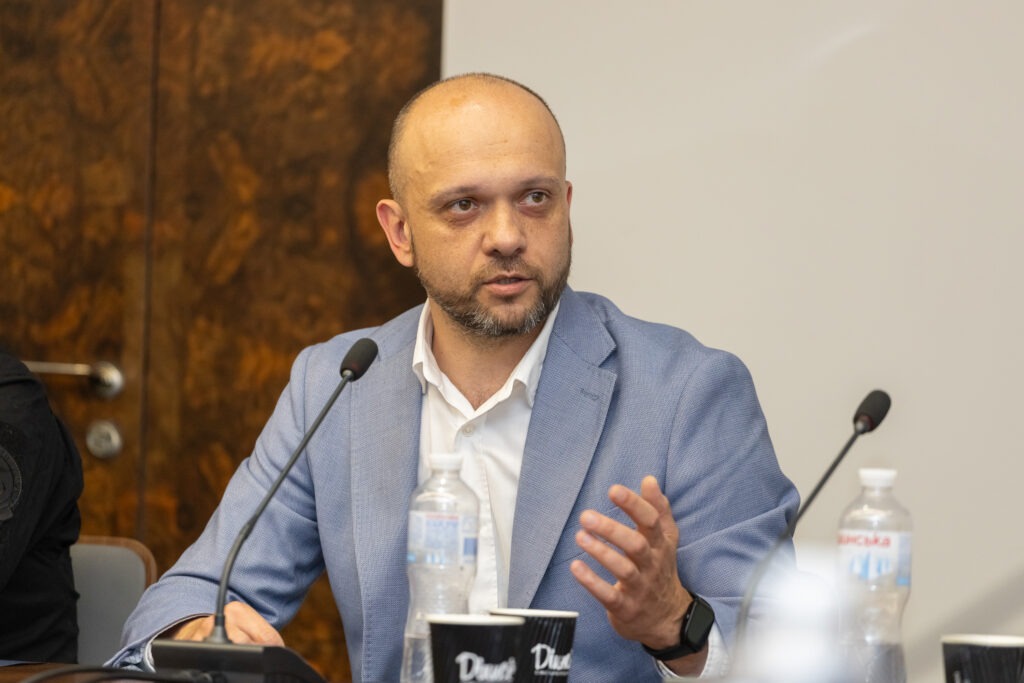
Natalia Fesyun, CEO of the Ukrtiutiun Association, spoke about the problem of counterfeiting excise stamps on tobacco products. “Practice shows that sometimes law enforcement agencies cannot identify products with counterfeit excise stamps on their own. Today, there are already 9 regional centers of the Kyiv Scientific Research Institute of Forensic Expertise that could help law enforcement agencies identify these products. And there is also the State Tax Service, which can also help, and our colleagues online are ready to join in and help identify counterfeit products related to their own trademarks and their own brands.”
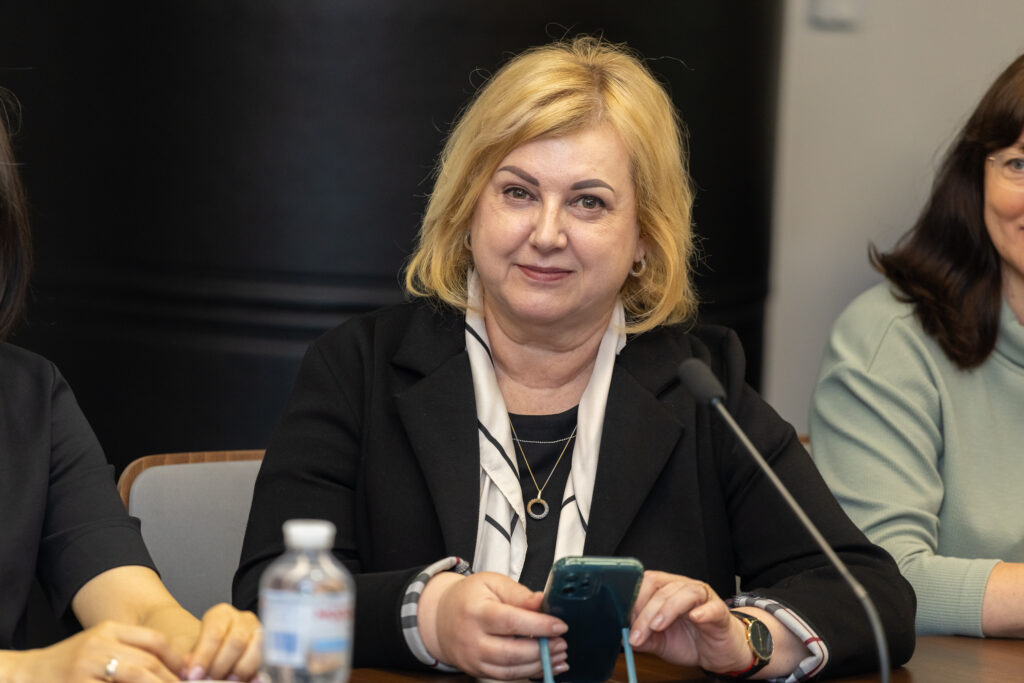
Market participants and experts suggested round-the-clock video surveillance at tobacco production facilities. “Round-the-clock surveillance is a good option. It works very effectively in the European Union in conditions when tax officials cannot exercise control at a certain time. For this purpose, there is round-the-clock surveillance, when everything can be viewed and facts of violation of tax legislation can be recorded,” said Tatiana Koschuk, an expert at the Growford Institute.
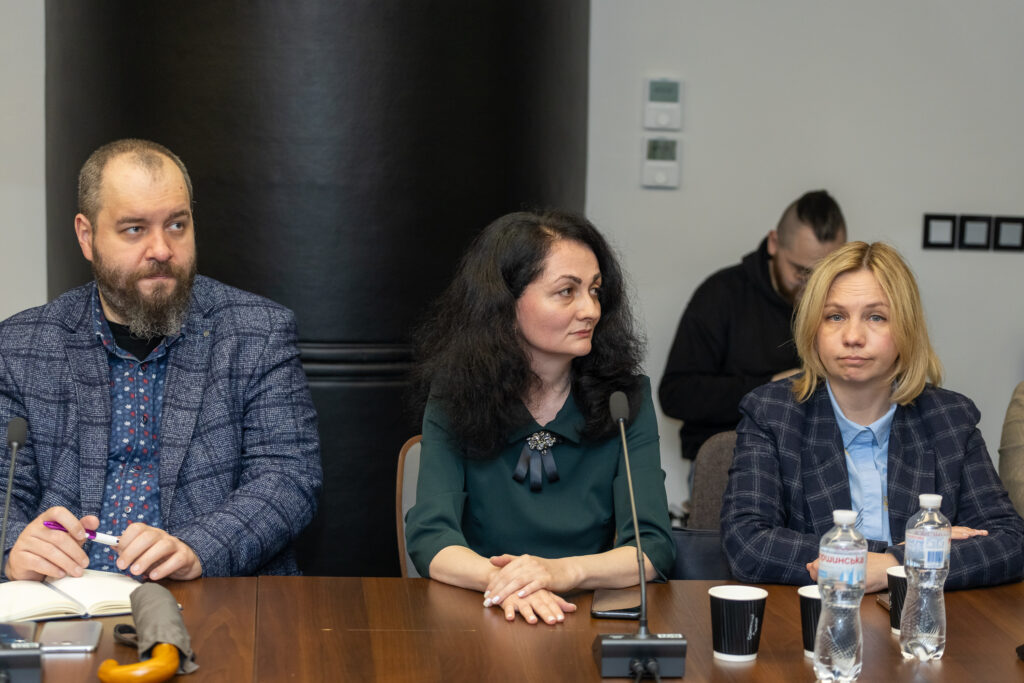
MPs may include video recording in draft law No. 10346. “I am not against round-the-clock cameras, but I am not convinced that it is technically possible to do it in such a way that there is no insertion. The camera will not show this insertion, but everything will work,” warned Danylo Hetmantsev.
Andriy Sukhov, co-founder of the Association of Software PTR Providers, spoke about fraud with fiscal checks. Businesses can forge or not issue checks to customers at all. Public control and monitoring by the state, simplification of the mechanisms for using cash registers, and a risk-oriented model for tax authorities will help to combat this.
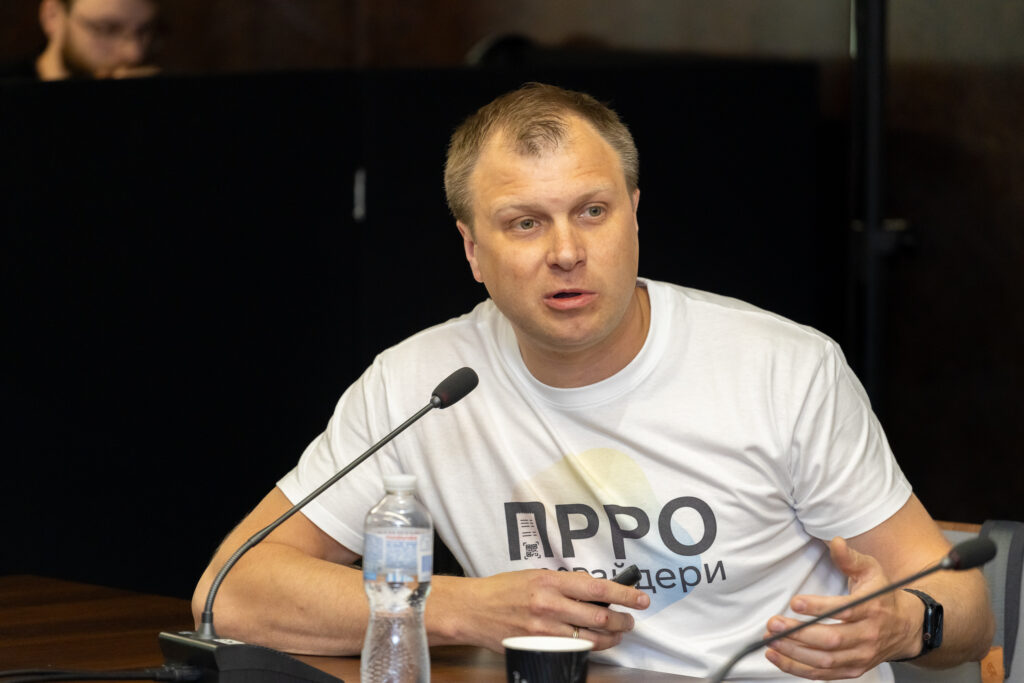
Danylo Hetmantsev, Chairman of the Verkhovna Rada Committee on Finance, Taxation and Customs Policy, noted that a number of draft laws aimed at reducing the shadow market in all excisable industries have passed the first reading in the Parliament. “We will make the regulations stricter, because it is in the interests of “white” producers and the state,” emphasized Danylo.
The discussion was attended by representatives of the Association of Taxpayers of Ukraine, the Ukrainian Chamber of Commerce and Industry, the Ukrainian Oil and Gas Association, the Association of Ukrtubyun, the Association of Ukrvino, the European Business Association and other leading business associations.
Following the discussion, the participants reached a common opinion on all the issues discussed and agreed to jointly implement the planned projects.