


The joint work of think tanks, business and government has yielded tangible results in the form of de-shadowing the economy
Representatives of the government and business met to discuss the results of a study on the share of shadow trade in Ukraine, a study on the impact of preferential parcels on the economy, new initiatives of the Parliament and the Cabinet of Ministers, the status of implementation of measures planned at the previous de-shadowing conference and new possible measures to minimize customs violations and minimize shadow trade in the most risky sectors, and to agree on joint decisions on further steps.
The conference “De-shadowing Retail: New Challenges” was held on December 9, 2024 in Kyiv. The meeting was organized by the Ukrainian Business Council in partnership with the EBA, ACC and the Economic Expert Platform.
Speakers from the government included: Danylo Hetmantsev, Chairman of the Verkhovna Rada Committee on Finance, Taxation and Customs Policy; Yevhen Sokur, Acting Deputy Head of the State Tax Service; Ivan Pysarchuk, Deputy Head of the Division of the Strategic Investigations Department of the National Police of Ukraine; representatives of the BES and the State Customs Service.
The business was represented by: Oksana Shvets, Head of Taxation and Customs Policy at the ACC, Yuriy Perohanych, Head of the Association of Information Technology Enterprises of Ukraine, Natalia Fesyun, CEO of Ukrtiutiun, Serhiy Badritdinov, Chairman of the EBA Committee, CEO of INTERTOP Ukraine, Yaroslav Starovoitenko, President of the Ukrainian Oil and Gas Association, Inna Boychuk, Director of Strategic Communications at Aurora Network, Co-Chair of the ACC Committee, and others.
The meeting was opened by Yevhen Sokur with a presentation on the comprehensive strategy of de-shadowing the economy, which covers various sectors and is based on the principles of trust, compliance and transparency. The key achievements were an increase in tax revenues in a number of industries, including excise, jewelry, and machinery/electronics. Particular attention was paid to the agricultural sector, where a system for registering grain export invoices was introduced, and to the fight against shadow business by identifying tax evasion schemes, revoking licenses, and strengthening fiscal control.
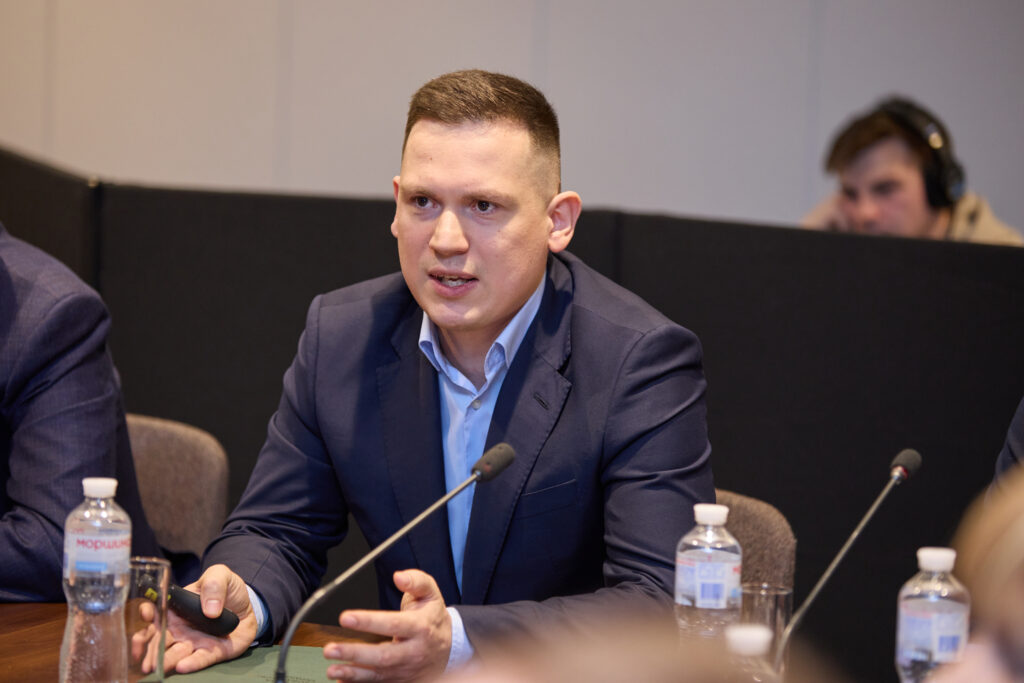
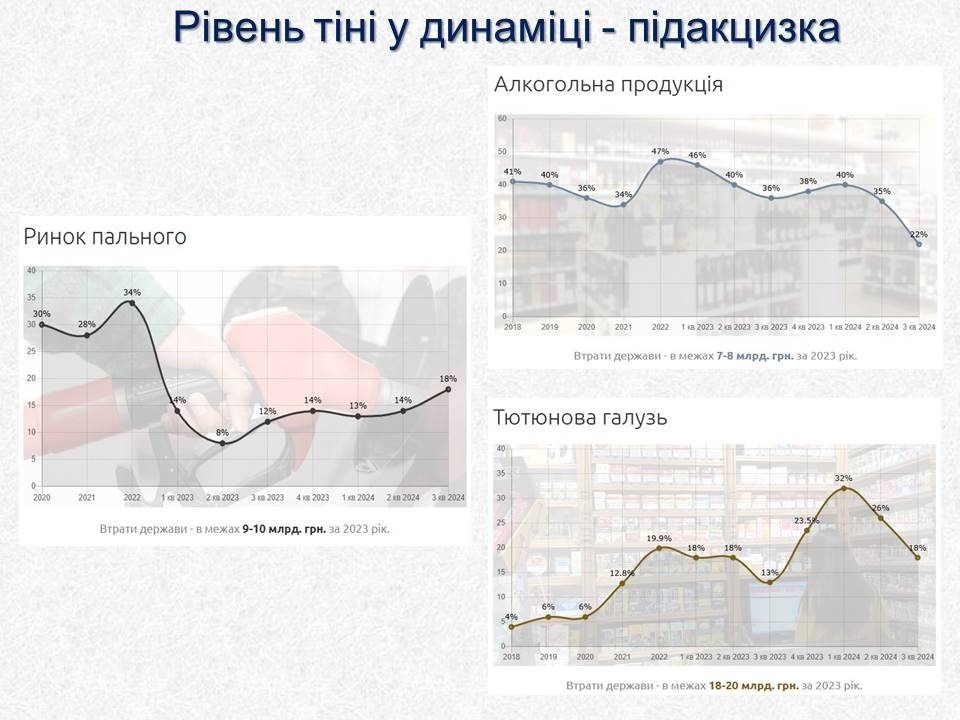
Myroslav Laba continued the topic of de-shadowing the economy and presented an analysis of the shadow market of excisable goods (alcohol, fuel, tobacco), which annually loses about UAH 40 billion to the budget. Experts noted positive trends in 2024: the share of white sales in the alcohol and tobacco markets increased, while the shadow market decreased.
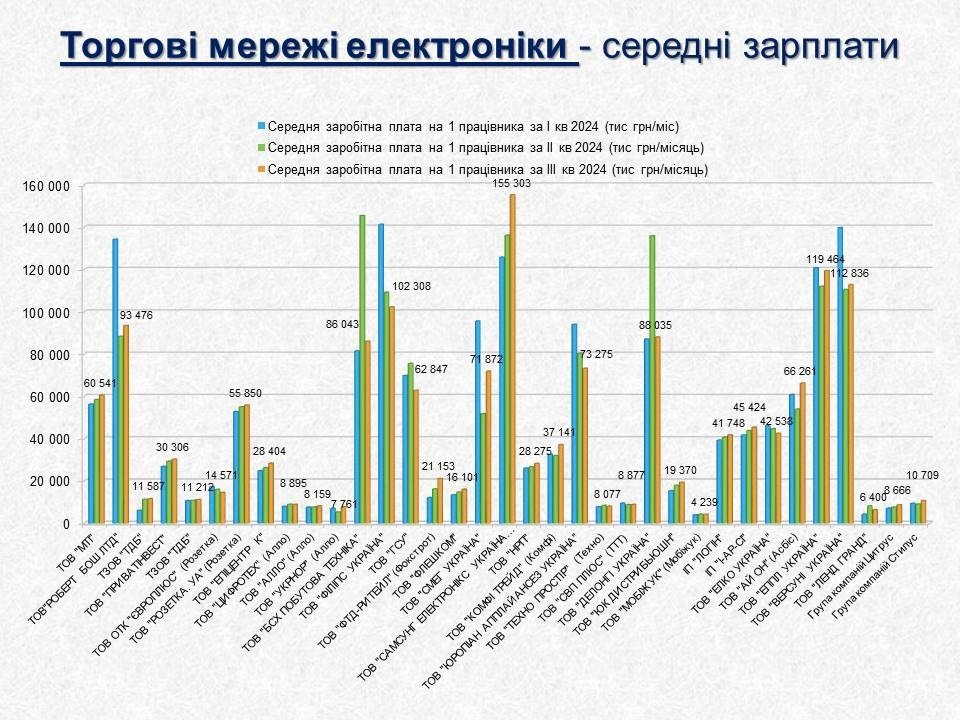
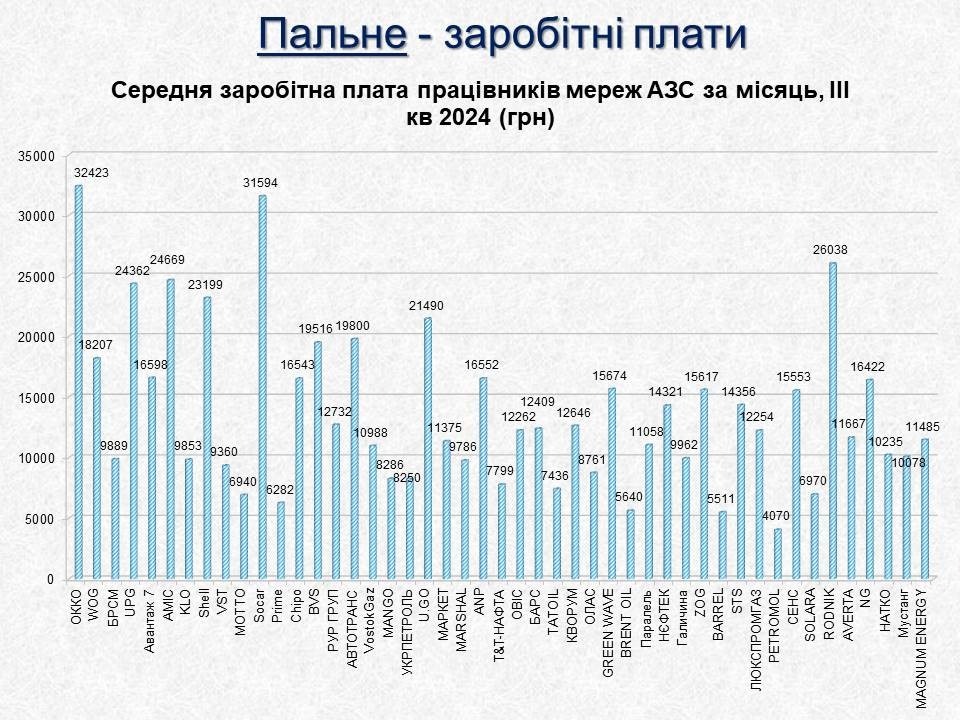
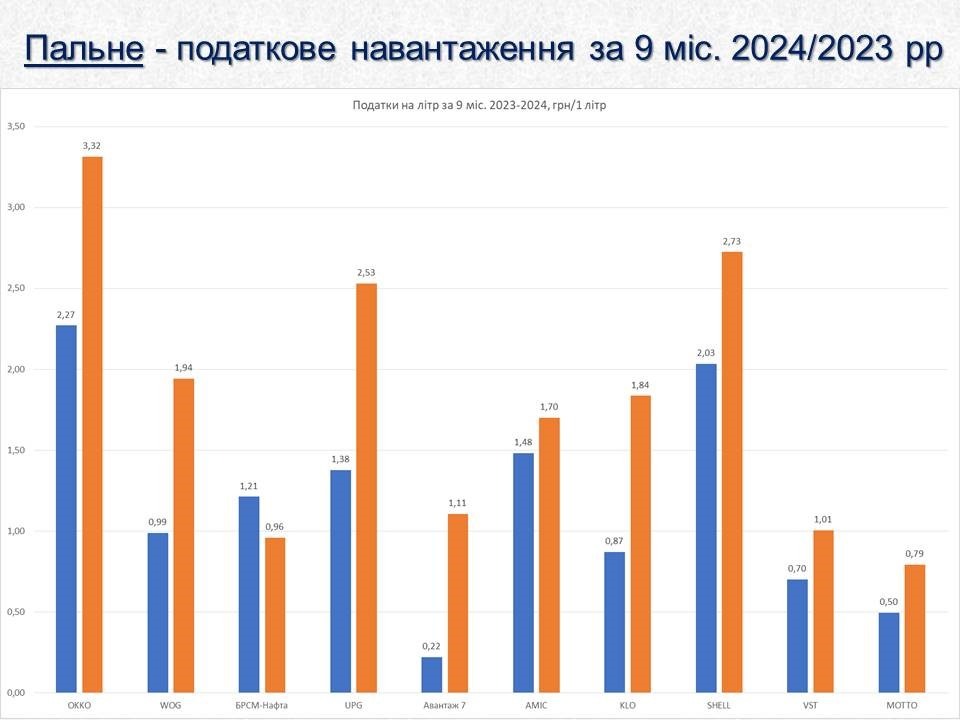
The key problem is a significant disproportion between salaries in companies: some pay high taxes and market salaries (30-35 thousand), while others pay minimum wages of 8-9 thousand hryvnias per month. Examples include the fuel and electronics markets:
Experts of think tanks propose to strengthen the work on de-shadowing of retail by:
- Rebooting the BES, State Tax Service, State Migration Service with a decisive voice of international experts
- Establishing clear performance criteria for the State Tax Service, the State Migration Service, and the BES
- Ensure that analytical data is disaggregated
- Increase opportunities to punish violators
- Coordination of interagency work on de-shadowing
Danylo Hetmantsev emphasized the importance of unshadowing not only for budget revenues, but also for creating a level playing field for business. The main idea is that despite the obvious progress of the State Tax Service, the process of de-shadowing is complex and lengthy.
Legalization is a joint effort that requires consolidated efforts of various institutions. There are industries that resist coming out of the shadows, and the path to full transparency is still quite long. At the same time, every step, every presentation of achievements and discussion helps to refine the strategy and move forward.
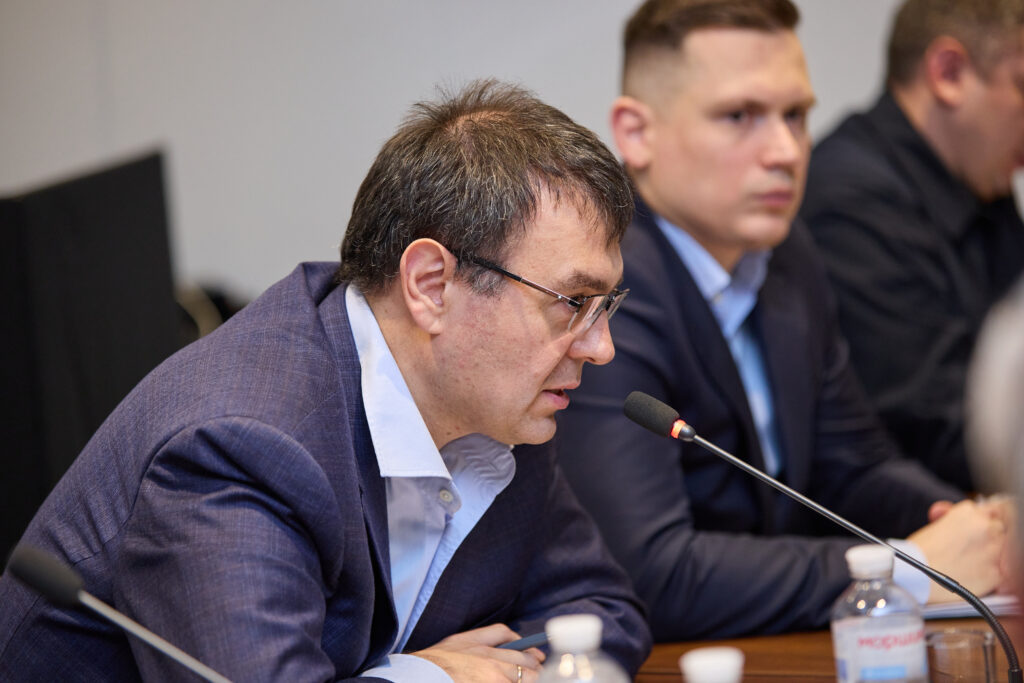
Ivan Pysarchuk, a representative of the National Police, reported on successful operations against the illegal production of alcohol and tobacco products. Recently, a number of large-scale investigations have been conducted, leading to the shutdown of several clandestine production facilities for excisable goods.
Yuriy Peroganych, CEO of the Association of Information Technology Enterprises of Ukraine, emphasized the ineffectiveness of control over the gray market in Ukraine, in particular, the sale of goods without fiscal receipts. Yuriy Perohanych also drew attention to the shortcomings of the language legislation that complicate the work of business. In particular, the requirement to indicate the manufacturer’s address in Ukrainian on goods creates additional bureaucratic barriers.
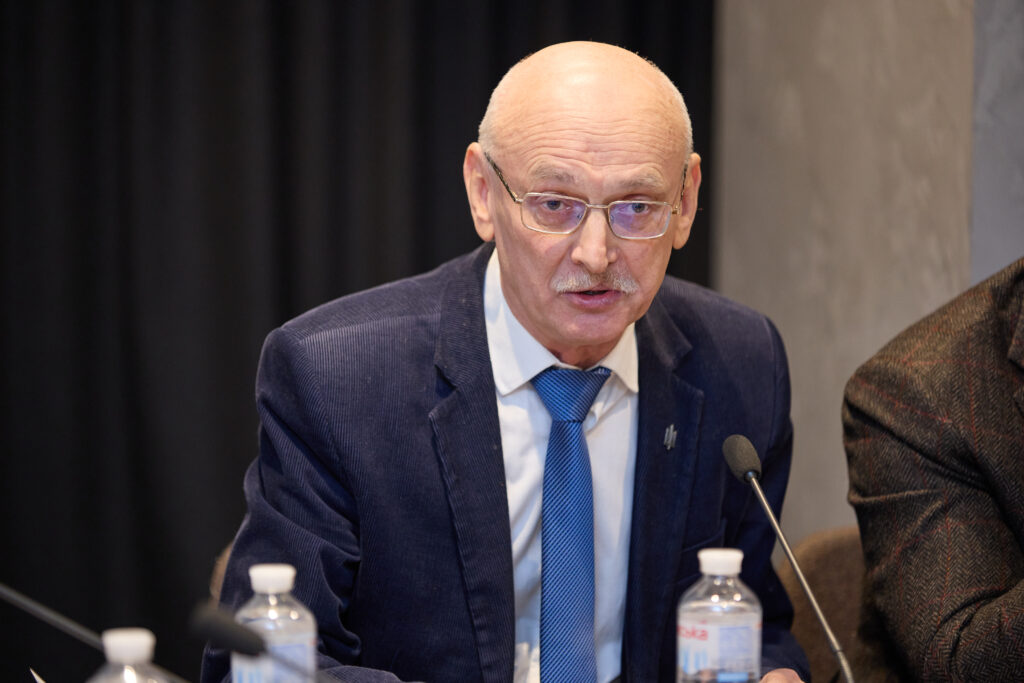
Oksana Shvets, Head of Tax and Customs Policy at the American Chamber of Commerce, spoke about the illegal import of electronic devices, including Apple smartphones. She emphasized that more than 70% of iPhones imported to Ukraine are of illegal origin. This causes significant losses to the state budget and distorts the competitive environment in the market.
“We see positive dynamics in the tobacco industry. We hope that it will be maintained, and this positive movement towards reducing the share of the illegal tobacco market will continue,” Oksana noted.
In addition, Oksana noted that “as part of our efforts to reduce the shadow economy in Ukraine, we supported the initiative to lower the threshold of EUR 150 for international parcels, so we also hope that it will be implemented. We see this as a practical reduction of the shadow economy.
Sergiy Badritdinov, Chairman of the EBA Retail Committee, CEO of INTERTOP Ukraine, revealed the complex problem of the shadow economy, focusing on three key aspects: the introduction of a risk-based tax control system and the use of cash registers (payment transaction registers), legalization of employment and payment of wages, and the problem of preferential international parcels and the introduction of VAT on international platforms. He cited examples from the electronics industry, where significant progress has been made in “whitewashing” the economy as a result of the tax committee meeting, emphasized the need to create transparent reporting, encourage consumers to receive fiscal checks and combat the concealment of real business volumes and wages, stressing that these problems require comprehensive intervention to overcome the shadow sector and ensure fair competition.
Vitaliy Melnychenko, Director General of ASBIS Ukraine, presented a detailed analysis of the situation with illegal imports of equipment in Ukraine, citing impressive statistics: in 2023, the state lost about $200 million (UAH 10 billion), 167 thousand phones were imported without customs clearance (three large trucks per week) in the current quarter alone, and the projected losses reach UAH 1 billion per month. Vitaliy Melnychenko suggested introducing technical restrictions on illegally imported products, as current methods of combating this problem are ineffective, and without urgent intervention the state risks losing up to UAH 10 billion next year.
Law enforcement lacks the resources to check all suspicious sellers, so “white” companies could help clean up the market. “The State Tax Service can receive a complaint from a consumer that goods are sold without a receipt and respond to it. You have sufficient potential for this and interest in it. Make normal, transparent, honest cooperation with the tax authorities, and I am convinced that the results will be much better,” suggested Danylo Hetmantsev, Chairman of the Verkhovna Rada Committee on Finance, Taxation and Customs Policy.
Dmytro Mykhaylenko, Chairman of the Tax Committee of the Chamber of Commerce and Industry, emphasized the urgency of the problem of importing industrial consignments of goods without paying taxes through the international parcel tax exemption.
“Following Black Friday, we conducted a small survey among both legal importers and manufacturers. It seems that legal importers were almost killed by this Black Friday, they did not expect such a collapse at all. And legal producers explain this by the cumulative effect of the last five years,” said Dmytro.
Natalia Fesyun, CEO of the Ukrtiutiun Association, pointed out that the problem of illegal cigarettes in Ukraine remains relevant. Despite a temporary decrease due to increased inspections, illegal producers are quickly adapting and resuming their activities. Particularly alarming is the growth of sales of counterfeit cigarettes of well-known brands at low prices, in particular through telegram channels.
The situation is complicated by several factors:
- The creativity of illegal producers: They are constantly looking for new ways to circumvent the law, such as using counterfeit brands, selling cigarettes in bulk and through TH channels, and other schemes.
- High profitability of the illegal business: Increasing excise taxes on cigarettes increases the attractiveness of the illegal market.
The solution may be to speed up the consideration and adoption of draft law No. 9364, which provides for increased liability for illegal tobacco trafficking, as well as to reboot the BES as soon as possible.
Andriy Savarets, legal expert at CASE Ukraine, presented an analysis of the new law on smuggling of excisable goods. The study showed that as of the beginning of 2024, the Office of the Prosecutor General of Ukraine has 47 proceedings, of which only 7 have been referred to court with an indictment.

Compared to European practice, Ukrainian legislation provides for somewhat harsher sanctions, but the actual application of punishment remains rather lenient. The expert emphasized the need for systematic work with law enforcement and coordination between the judicial, legislative and law enforcement branches of government.
Dmytro Dmytruk, representative of the Ukrainian Hookah Association, commented on the draft law No. 12091 of 04.10.2024 on restrictions on the placement of tobacco products in retail. The Association generally supports the idea of limiting consumption and protecting young people from the harmful effects of tobacco. However, the provision banning flavored tobacco products is of serious concern, as almost all hookah tobacco is flavored. According to the speaker, such a ban will actually destroy the entire legal market of the hookah industry.
Mr. Dmytruk emphasizes that over the past two years, the association has been conducting significant outreach to producers in an effort to bring them out of the shadow sector. The proposed legislative changes, in his opinion, will undermine all previous efforts and force legal producers to leave the Ukrainian market completely.
Yaroslav Stravotenko, representative of the Ukrainian Oil and Gas Association, raised the urgent problem of the proliferation of illegal gas stations and tax evasion schemes in the fuel market. He noted that the number of such gas stations has started to grow, which leads to significant losses for the state budget and unfair competition for legal businesses. To solve this problem, Stravotenko proposed a number of measures, including strengthening control over the fuel market, increasing transparency of operations by amending the legislation on cash registers, and intensifying cooperation between government agencies, business, and the public.
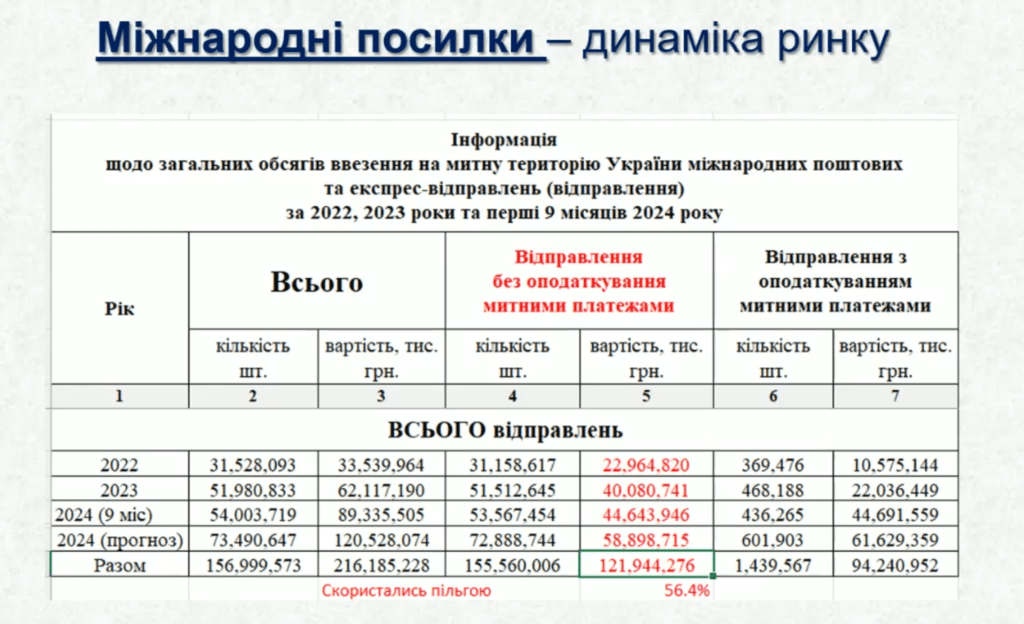
Myroslav Laba, an expert of the Economic Expert Platform, also shared the conclusions of calculations on the dynamics of international parcels: in 2022, there were 23 billion UAH worth of parcels without taxation. In 2023, it was worth UAH 40 billion. In 2024, we expect UAH 58.9 billion of tax-free parcels. 62% of these imports come from China, 10% from Poland. We are opening our market to import marketplaces, from where these products come here without VAT and no taxes. Estimated losses to the state budget on preferential parcels = UAH 12 billion per year. However, this figure is somewhat optimistic, as the value of goods in these parcels is underestimated and the real value of the goods is higher.

Inna Boichuk, Director of Strategic Communications and Stakeholder Relations at Aurora, Co-Chair of the ACC Committee, thanked Danylo Hetmantsev for his active fight against shadow markets. “The business community sees the need to abolish the tax exemption for goods from foreign e-commerce platforms. In just 9 months of this year, one of the Chinese platforms has increased tax-free imports of goods in small batches to Ukraine from zero to more than 5 million pieces. The current tax exemption discriminates against and pushes Ukrainian producers and retailers out of the domestic market, and also offsets government measures to stimulate the development of domestic production of goods,” she said.
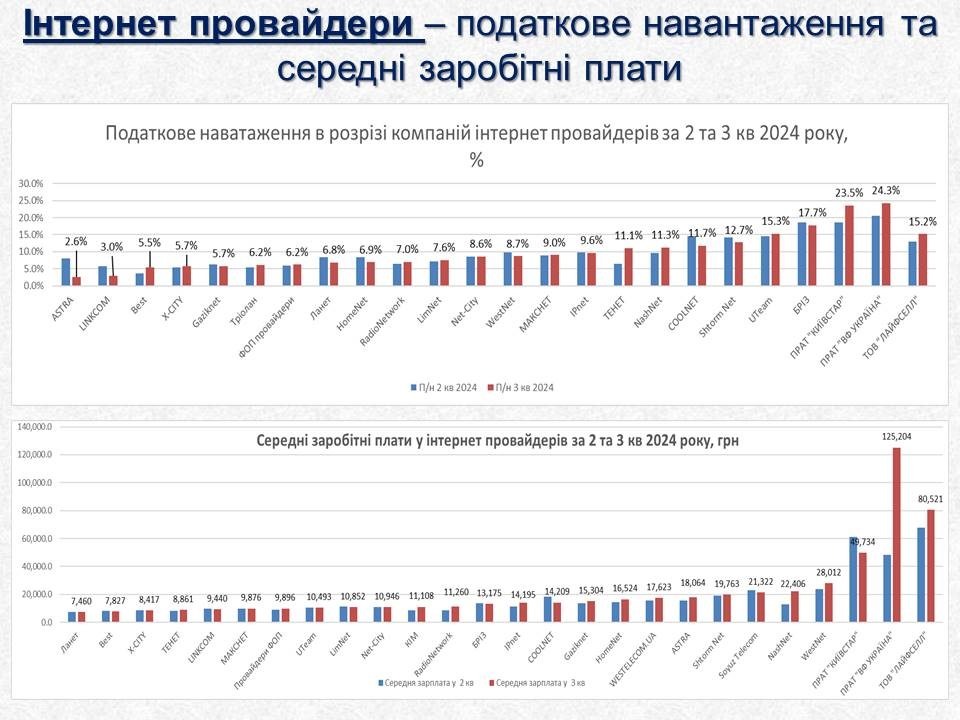
The data on Internet providers is also interesting: the largest providers have a situation similar to retailers – about half of the companies have a sufficient tax burden and market wages, while other companies have an extremely low tax burden and wages close to the minimum wage, and therefore pay extra “in the envelope.” See the chart for details:
Following the discussion, representatives of the government and business associations agreed to further systematic cooperation and regular meetings to continue measures to de-shadow the economy.

